





























































































































































































































Protest & Regional Tensions in Bangladesh: Causes, Impact, and the Road Ahead.
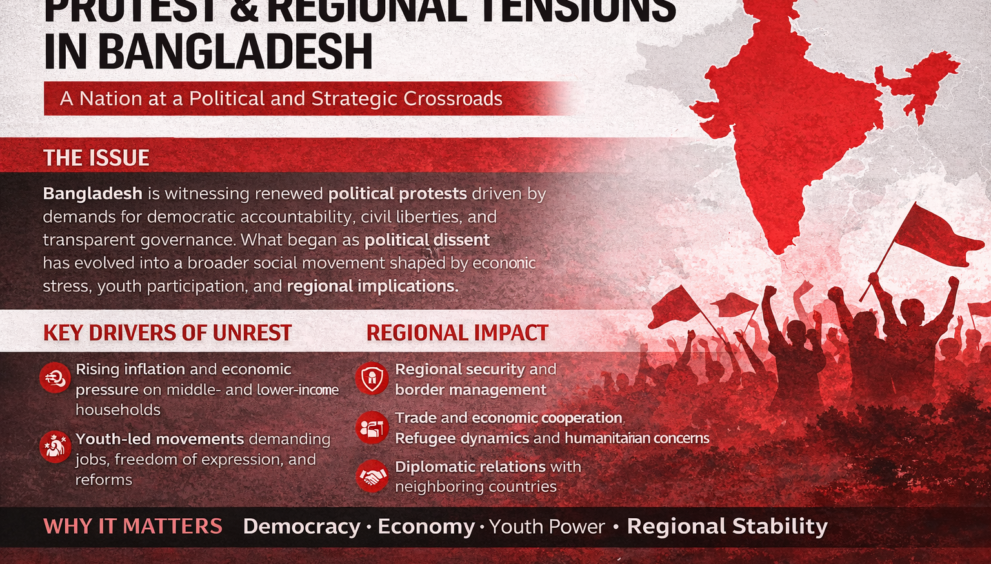

- Bangladesh is facing renewed political protests driven by public demands for democratic accountability, civil liberties, and transparent governance.
- Economic pressures, rising inflation, and youth unemployment have intensified public unrest, transforming political demonstrations into a broader social movement.
- The ongoing crisis carries significant regional implications for South Asia, with neighboring countries closely monitoring its impact on stability, security, and diplomacy.
Bangladesh is witnessing a renewed phase of political protests and rising regional tensions, drawing attention from South Asia and the international community. Once celebrated for its economic resilience and development progress, the country now finds itself navigating complex challenges related to governance, civil liberties, economic pressure, and regional stability. The ongoing unrest is not an isolated event but a reflection of deeper structural and political issues shaping Bangladesh’s present and future.
Background of Protests in Bangladesh
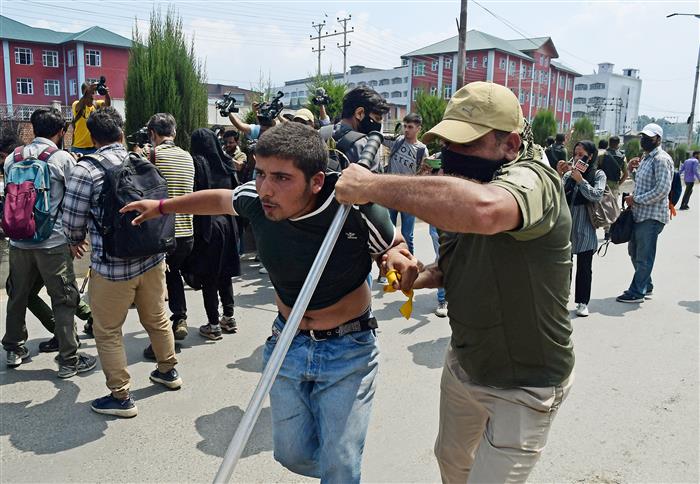
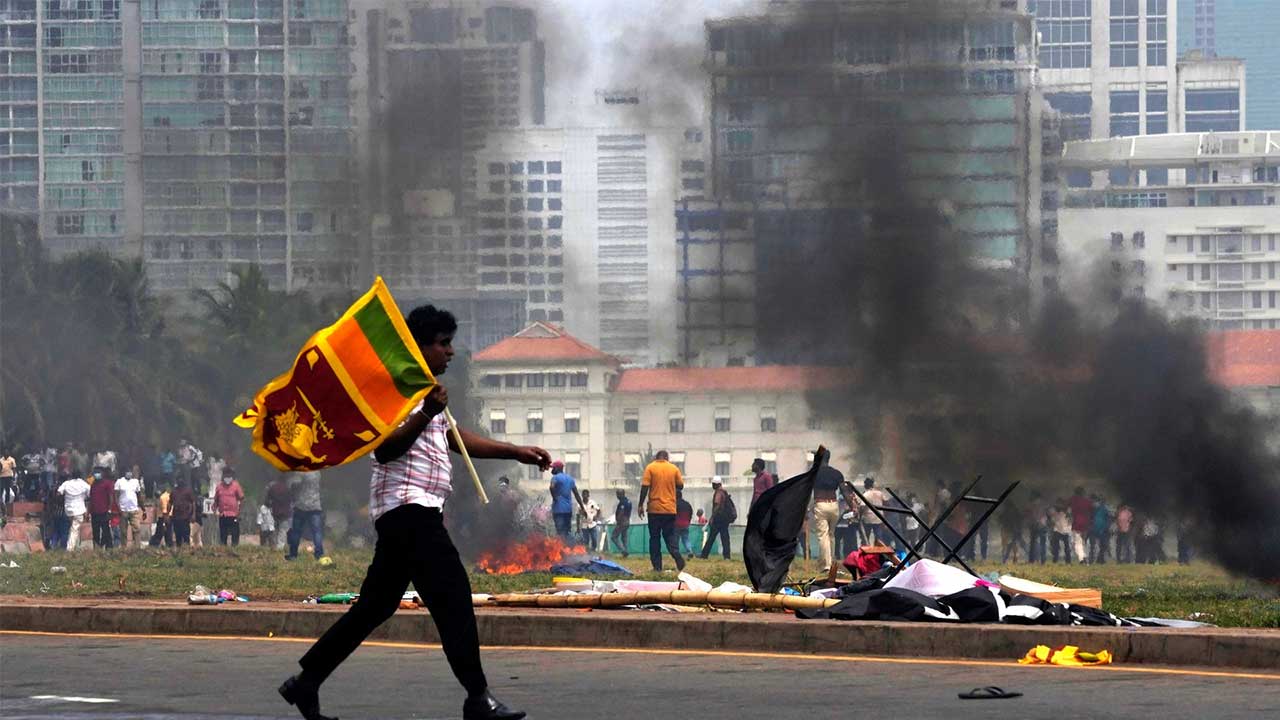
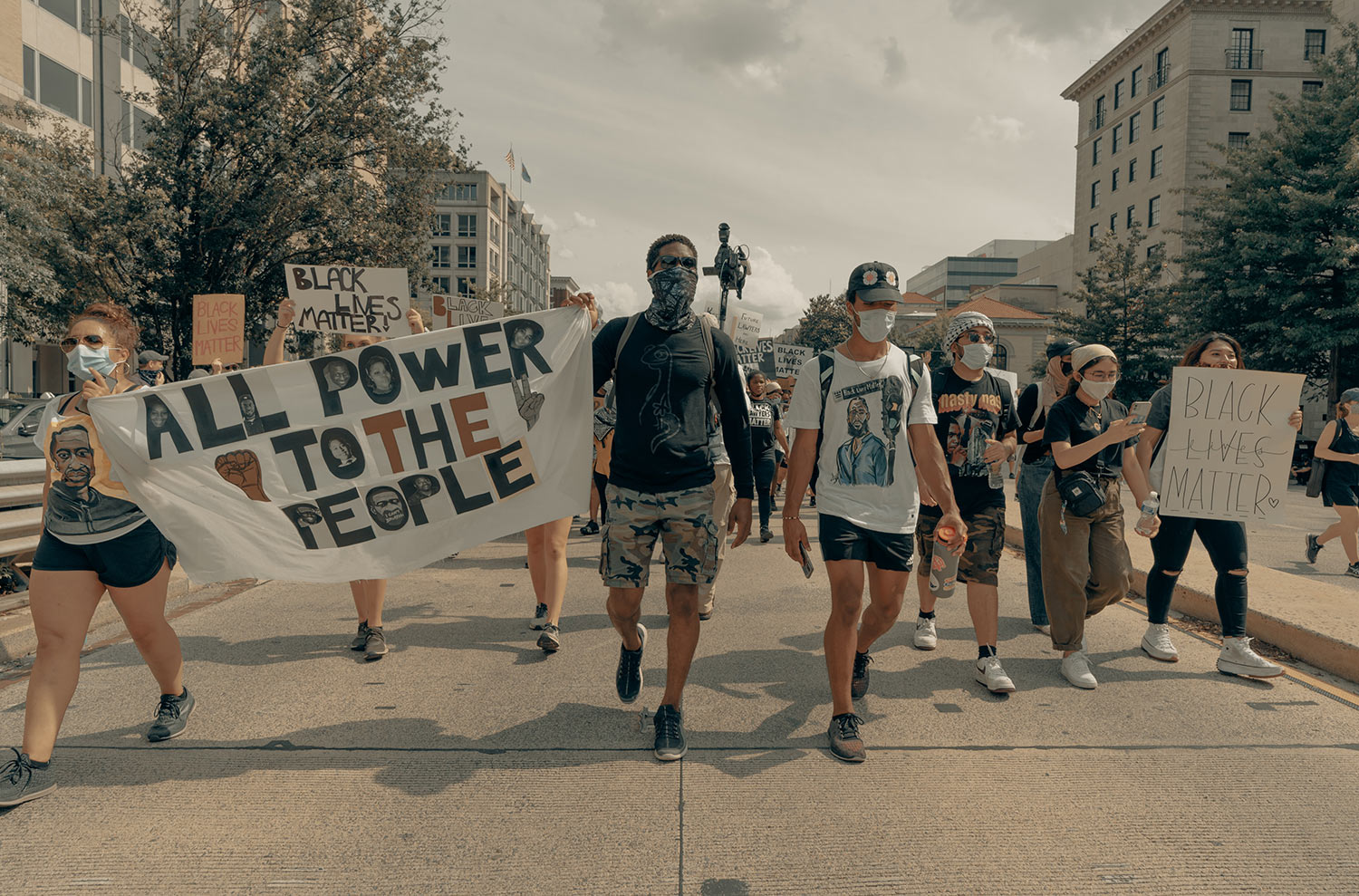
The recent protests in Bangladesh have emerged from long-standing political dissatisfaction and public frustration. Demonstrations erupted following allegations of political suppression, arrests of opposition leaders, and incidents involving the deaths of activists. These events have intensified anger among citizens, particularly students and youth, who view the protests as a fight for democratic rights and accountability.
Many protesters claim that democratic institutions have weakened, reducing space for political opposition and free expression. As a result, public demonstrations have grown in scale and intensity, spreading across major cities and university campuses.
Youth-Led Movements and Civil Society Response
A defining feature of the current unrest is the strong participation of young people. Students, young professionals, and first-time voters form the backbone of the protest movement. Their demands extend beyond traditional party politics and focus on broader issues such as employment opportunities, freedom of speech, transparency in governance, and equal access to justice.
Civil society organizations and human rights groups have also played a crucial role by documenting alleged violations and amplifying public concerns. However, increasing pressure on journalists, activists, and NGOs has raised concerns about shrinking civic space in Bangladesh. International watchdogs have urged the government to protect fundamental rights and uphold democratic norms.
Economic Challenges Fueling Public Anger
Economic stress has significantly contributed to the protests in Bangladesh. While the country has made notable progress in exports, infrastructure, and industrial growth, inflation and unemployment remain key concerns. Rising prices of essential commodities, fuel, and transportation have placed a heavy burden on middle- and lower-income households.
For many citizens, economic hardship is closely linked to political frustration. Protesters argue that economic policies disproportionately benefit a small elite, leaving ordinary people vulnerable. This perception has transformed political protests into a broader movement against economic inequality and social injustice.
Regional Tensions and South Asian Stability
Bangladesh’s internal unrest has serious regional implications. Located at a strategic crossroads in South Asia, the country shares borders with India and Myanmar and plays a key role in regional trade, security, and connectivity. Political instability in Bangladesh raises concerns about border management, refugee flows, and economic cooperation.
The Rohingya refugee crisis continues to add pressure, as Bangladesh hosts a large displaced population from Myanmar. Any internal disruption risks straining national resources and regional diplomacy. Neighboring countries, particularly India, are closely monitoring developments while emphasizing stability and non-interference.
Government Response and Law Enforcement Measures
The Bangladeshi government has responded to the protests by prioritizing law and order. Security forces have been deployed in sensitive areas, and restrictions on public gatherings and movement have been imposed. Authorities argue that these steps are necessary to prevent violence, protect public infrastructure, and ensure national security.
Critics, however, warn that excessive use of force and mass arrests could escalate tensions further. Reports of internet restrictions and limitations on media coverage have sparked debates over freedom of expression. Balancing security concerns with democratic freedoms remains one of the government’s most pressing challenges.
Role of Media and Digital Platforms
Media and social networking platforms have played a decisive role in shaping public opinion during the protests. Social media has enabled rapid mobilization and real-time information sharing, but it has also contributed to the spread of misinformation and rumors.
Government restrictions on digital platforms have triggered concerns about transparency and press freedom. Journalists face mounting pressure to report accurately while navigating political and legal constraints. The management of information during this crisis will significantly influence public trust and international perception.
Impact on Bangladesh’s International Image
The ongoing protests and regional tensions have placed Bangladesh under global scrutiny. International organizations, foreign governments, and investors are watching closely to assess political stability and governance standards. Prolonged unrest could affect foreign investment, trade relations, and diplomatic engagement.
Bangladesh’s reputation as a stable emerging economy is at stake, making political resolution and reform increasingly urgent. Experts stress that restoring confidence requires open dialogue, institutional accountability, and respect for civil liberties.
The Way Forward: Dialogue and Reform
Bangladesh stands at a critical crossroads. Political dialogue, inclusive governance, and institutional reform are widely viewed as essential to easing tensions. Without constructive engagement between the government, opposition, and civil society, the risk of prolonged instability remains high.
Despite current challenges, Bangladesh has demonstrated resilience in the past. Its strong social fabric, entrepreneurial workforce, and strategic regional partnerships provide hope for recovery. Meaningful reforms could transform the current crisis into an opportunity for democratic renewal.
Conclusion
The protests and regional tensions in Bangladesh highlight fundamental questions about democracy, governance, and economic justice. What unfolds in the coming months will not only shape Bangladesh’s political future but also influence regional stability in South Asia.
Whether the nation moves toward reconciliation or deeper division depends on leadership choices, public dialogue, and institutional accountability. As regional and global attention intensifies, Bangladesh’s response to this moment will define its trajectory for years to come..