









































































































































































































































Warnings About False Information: Fighting Lies in the Digital Age.


- Warnings help stop the spread of fake news by letting people know before they share false information.
- AI and deepfakes make it easier for people to spread false information, so clear labels and legal warnings are necessary.
- Being digitally literate is the best way to help people find and avoid false information online.
Thanks to the digital world we live in, information moves quickly, giving people access to knowledge like never before. But this same speed and ease of access have also made it easier for lies—false information—to spread, which could be bad. There are many types of false information that are a problem all over the world. For example, false health claims and viral deepfake videos. Because of this, governments, platforms, and users have all tried to stop it. Warnings about wrong information have become an important tool in the fight to protect the truth, public safety, and faith in technology. believe in technology.
How lies spread and what they mean
Disinformation is information that is meant to be wrong, while misinformation is information that is wrong or unclear but is given without bad intentions. On digital platforms where algorithms value engagement over accuracy, both groups do well. This often means sharing news that is shocking or not well-known. Fake news spreads more easily on social media, and it’s harder for regular users to check the facts. This is because of things like likes, shares, and feeds that are popular. Research shows that looking at social engagement metrics can make people believe false information and trust content just because it gets a lot of interaction.
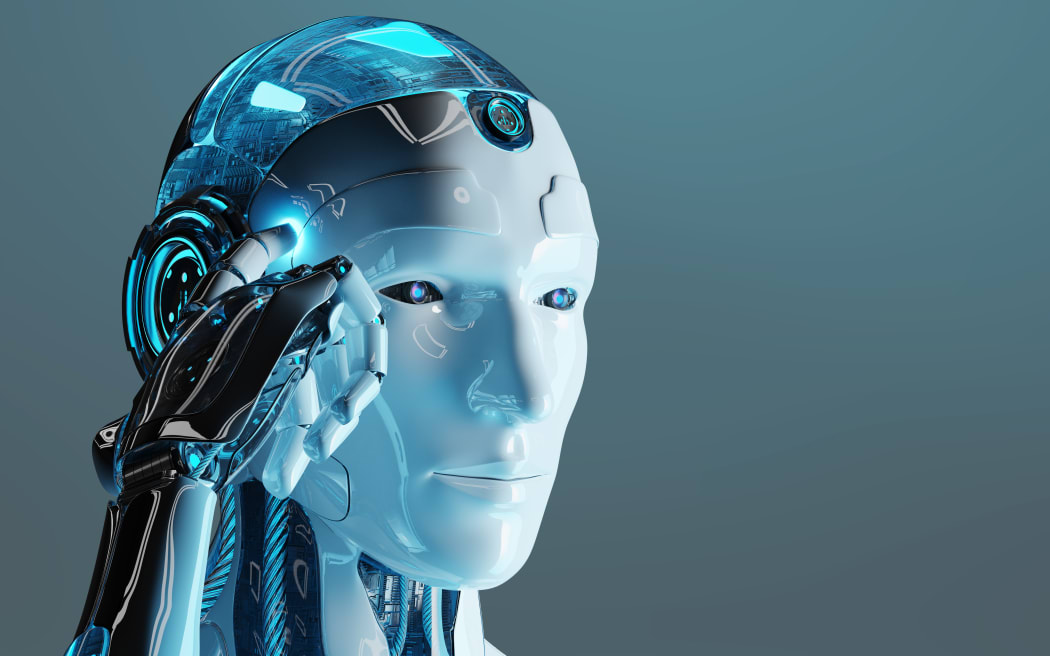
Generative technology like deep learning and artificial intelligence has made things harder. You can use tools to make fake audio, video, and text that look real. AI-generated deepfakes have been used to make fake movies of famous people in fake situations, for example. This breaks down trust and makes society more divided.
- What do alerts for false information mean?
It’s critical to let people know when they get wrong information.
Authorities, fact-checkers, or platforms send out alerts to let people know when information is wrong, misleading, or not verified. These warnings are meant to stop bad content from spreading by making people think twice before they share or interact with it.
There are many different ways that warning signs can show up:
There are various ways to determine the authenticity of content you encounter on social media.
Government offices give out official legal advice.
Notices were sent to media that might not be reliable about moderating content.
Researchers have found that these kinds of warnings make people less likely to act on false information. Researchers have found that people are less likely to share and like fake social media posts, which stops the spread of false news.
Yale News
Government Involvement: Announcements That Are Official and Legal
Governments are giving out more official warnings and legal advice because false information can hurt public order, elections, and social cohesion.
Legal Notices in India
Indian officials have made it clear that sharing viral videos and AI-generated content might be against the law. Officials have told people not to watch “Instagram 19 Minutes,” a popular video on Instagram that is said to have been made with AI. Under the IT Act and other laws, cybercrime officials in India have made it clear that sharing, sending, or even just having this kind of content could get you jail time and fines.
https://www.oneindia.com/
The government has also told people about false information that could endanger public safety. The Indian government has told social media companies not to spread false threats, like fake bomb threats on planes. If they don’t, they could be sued under the IT Act and other laws.
The Times of India
Governments around the world are taking various actions.
India’s government, along with those of other countries, is either passing or thinking about rules to deal with deepfakes and fake news. For instance, changes to digital laws that are being talked about could make platforms put big labels on AI-generated content so that users can tell which media is real and which is fake. This shows that people know that being honest is important for keeping people up to date and stopping false information from spreading.
The Times of India
Set up alerts for fact-checkers and social media sites.
A lot of social media companies have learned how to find and flag false information:
Tags for checking.
Facebook and X work with independent fact-checking groups to add notes to content that makes claims that are in dispute. These warnings tell people that the information might not be true or might be wrong. They often help you find reliable sources of information. Studies show that these steps work: People are less likely to believe false information when it comes from partisan or non-partisan fact-checkers, no matter what their political views are.
arXiv
Indications of misinformation alerts work.
Research indicates that placing warning signs or clarifications adjacent to dubious headlines can diminish the credibility of false information and impede its dissemination. This effect is much stronger when the warnings include information that explains why the content isn’t trustworthy.
arXiv
Issues with Setting Up Warning Systems
Warning systems are helpful, but they have some big problems.
- Problems with trust and how people understand things
Some people don’t trust fact-checking labels because they think they are biased or influenced by politics. This doubt could make warnings less helpful and make things worse by spreading wrong ideas among some groups of people.
- Giving things the wrong name and having too much power
When real content is reported or taken down incorrectly, it shows that automated systems need a lot of work. Moderation tools need to be better calibrated because reliable groups have said that their honest posts have been wrongly marked as misleading.
Cochrane
Notifications for Schools and the Community
- A long-term plan for digital literacy
We need to do more than just tell people that there is wrong information out there. We also need to give them the tools they need to think about what they read in a smart way. Schools and governments are spending more and more money on digital literacy programs that teach people how to check sources, spot deepfakes, and think critically about shocking claims before sharing them.
360
- Programs for community reporting and networks of volunteers
In some cases, police and community groups have paid digital volunteers to spread true information and fight false information online. For instance, the police in Bareilly, India, got thousands of people to help keep the peace and fight false information.
The Times of India
Case Studies: Warnings About Wrong Information
1. Arguments about deepfake things that go viral
Social media sites and government agencies often tell people to be careful when deepfake videos get a lot of views. People might lose faith and get angry when they see this kind of fake news about famous people. Governments have told businesses to quickly get rid of this kind of thing and let customers know that it isn’t true.
The Times of India
- Warnings About Safety in Public
Not only do alerts warn about deepfakes of famous people and politicians, but they also warn about threats to public safety. False claims about flight safety, election fraud, or health emergencies spread quickly, so officials have to make statements to set the record straight and tell people not to spread false information.
The Times of India
What Could Happen Next with Alerts for Incorrect Information?
As technology gets better, the jobs of advisors will change.
- Systems that use AI to look for things.
You can use AI to make up and find fake news. Researchers are making new algorithms that can find fake news that can be explained and works in more than one language. These systems use both language and visual analysis to be more accurate and trustworthy. These gadgets could be early warning signs for both the people who use them and the people who check the information.
Frontiers
- Collaborating with individuals who are invested in the project.
Everyone needs to work together to make sure that users know when information is wrong. Users, schools, platforms, fact-checkers, and governments all have important jobs to do. To make the information ecosystem stronger and more reliable, we need rules that require better labeling, more programs to teach people how to use technology, and better ways for people to report problems in their own communities.
Final Words
Warnings against false information are an important part of the larger effort to keep people safe from the bad effects of false and misleading information. As AI and deepfake technology get better, it gets harder to tell the difference between the truth and lies. This means that people have to change how they find, sort, and tell others about it. The best way to protect the truth in the digital age is to use a mix of laws, platform moderation, public education, and alarm systems.
People and groups can help keep digital information accurate and reliable by learning how false information works, trusting reliable sources, and paying attention to warnings.
Sources
- OneIndia
- Times of India
- LiveMint
- Time Magazine
- Yale University (Yale News)
- Frontiers in Artificial Intelligence
- Cochrane
- 360info
- arXiv (Cornell University Research Archive)