
























































































































































Trump’s Serious Warning to Iran: The US Is Ready, Even Though Tehran Is Protesting.
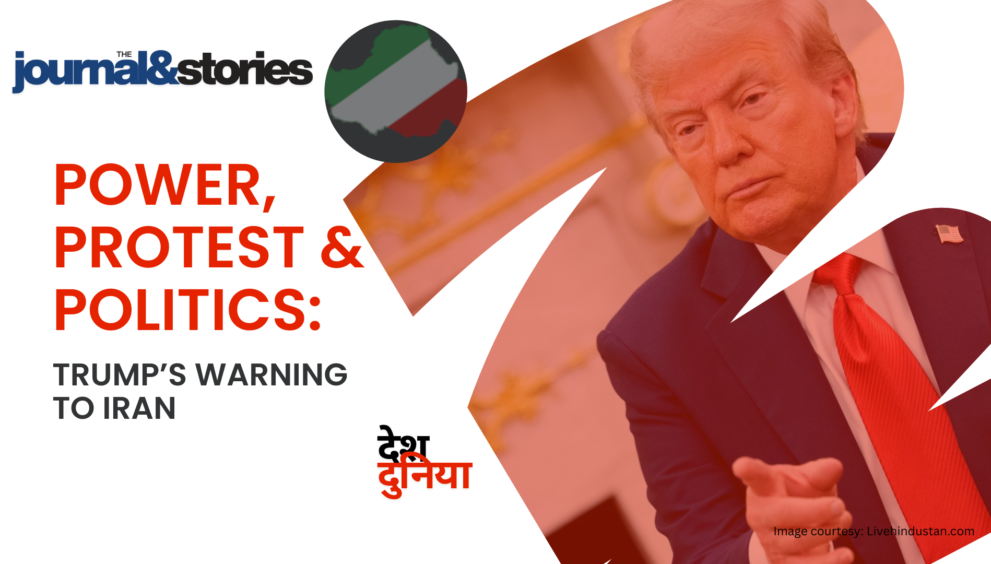

- Trump Issues Strong Warning: U.S. President Donald Trump warned Iran that the United States is “locked and loaded” and would intervene if Iranian authorities use lethal force against peaceful protesters amid ongoing unrest in Tehran.
- Iran Pushes Back Sharply: Iranian leaders rejected Trump’s statement, calling it foreign interference and declaring national security a “red line,” while warning of serious consequences for any U.S. involvement.
- Protests Driven by Economic Crisis: The demonstrations were triggered by inflation, currency collapse, and rising cost of living, reflecting deeper public frustration with governance and economic management in Iran.
Donald J. Trump, the President of the United States, said in a speech on January 2, 2026, that he would step in if Tehran’s security forces used deadly force against peaceful protesters. The comment was made on Truth Social during Iran’s biggest wave of protests in a long time. People were angry, and the economy was getting worse, which led to these protests. The comments made things worse between Washington and Tehran, drew strong criticism from Iranian leaders, and raised concerns about security in the region and the future of U.S.-Iran relations around the world.
Iran is a tense country: protests shake the capital.
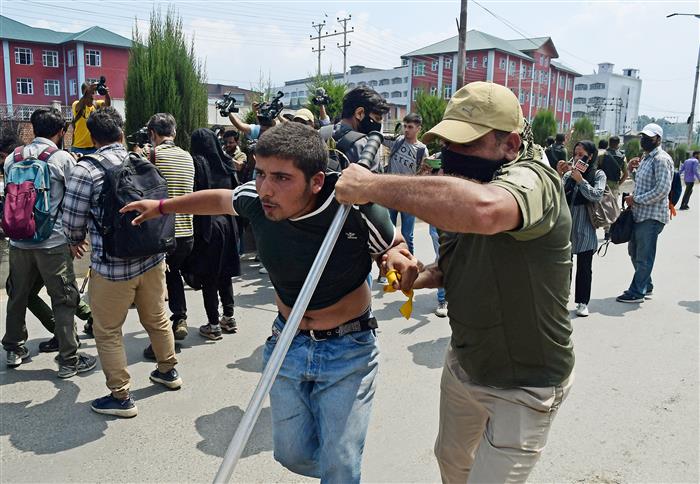
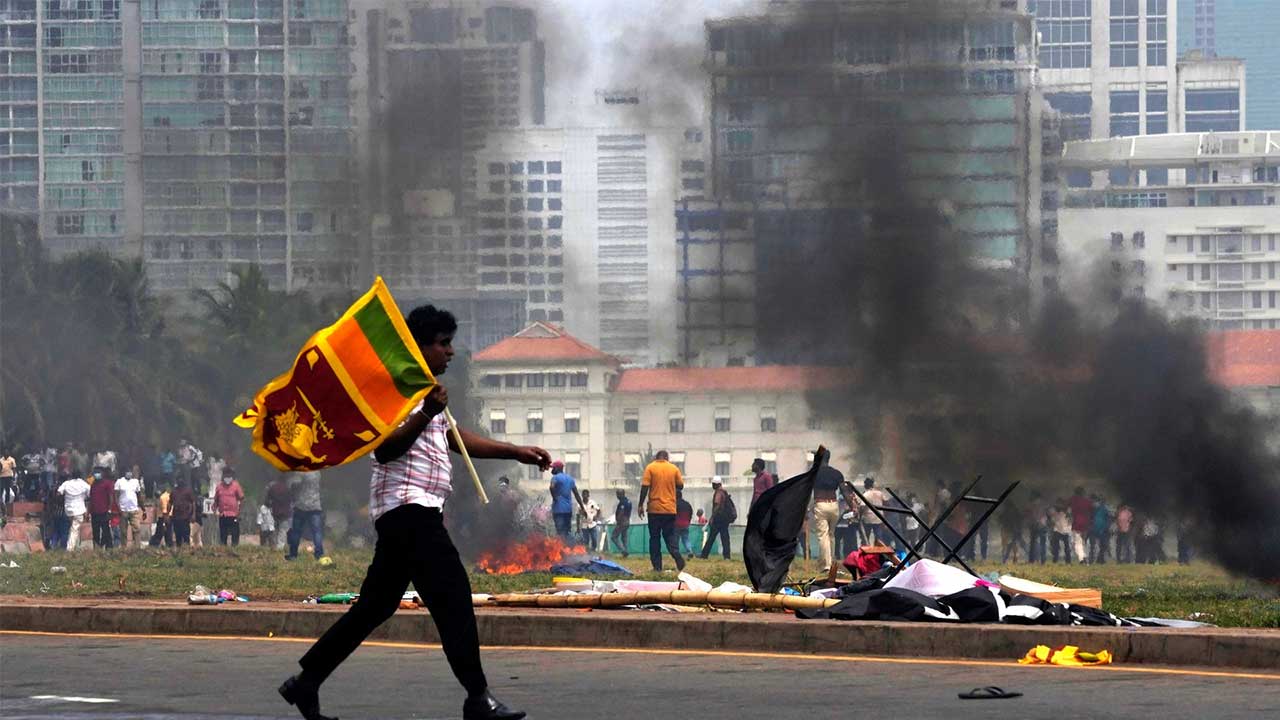
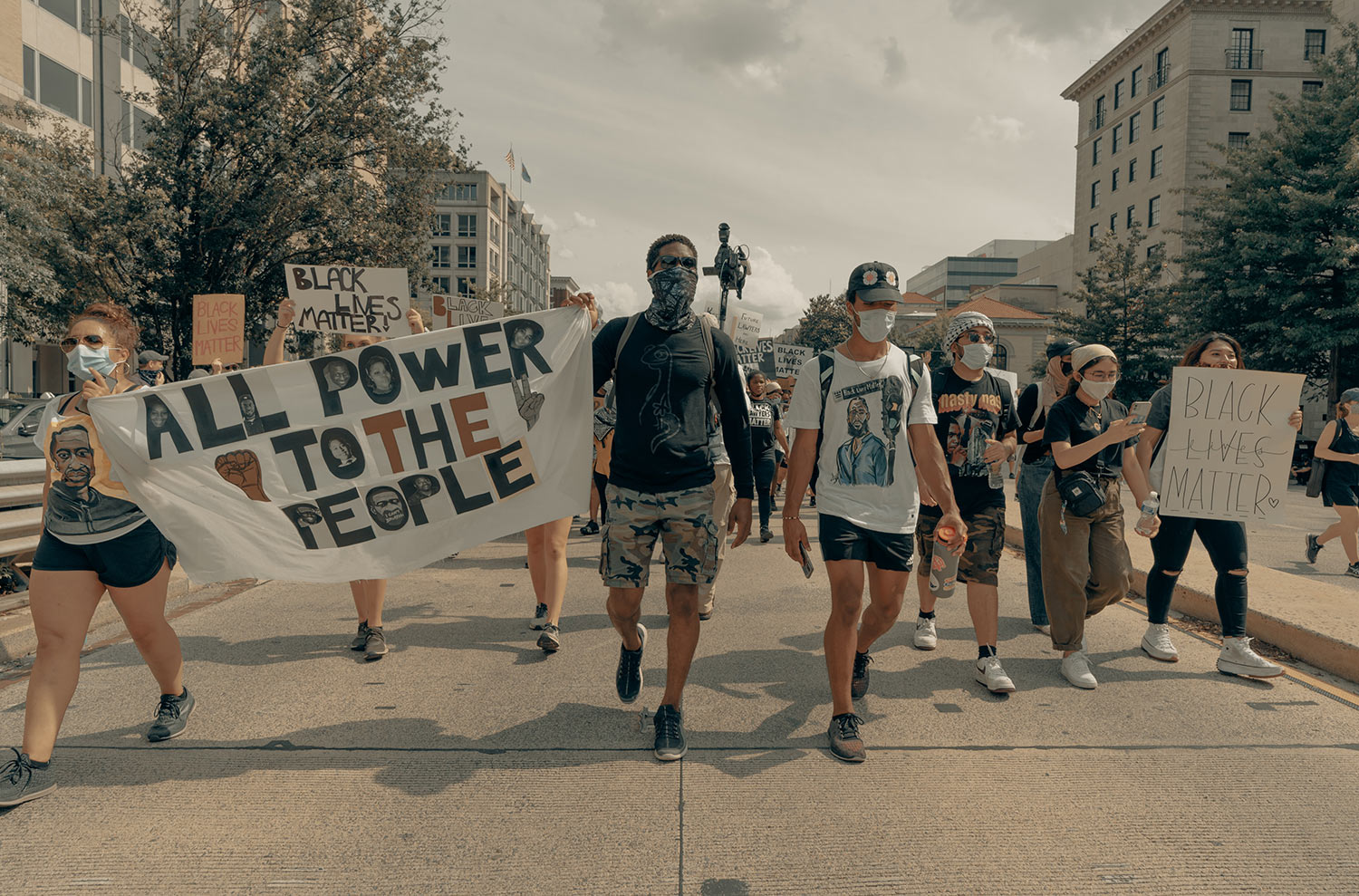
Protests in Tehran and other cities over high prices, inflation, a falling currency, and a lack of political progress quickly spread to other provinces. The sharp drop in the value of the Iranian rial compared to the US dollar made it impossible for millions of Iranians to buy basic goods. This made workers, students, and businesspeople very angry. People who were unhappy with the economy yelled political demands, and some even wanted the theocratic government to change.
There were at least 32 rallies during the days of chaos, and fights between protesters and police led to several deaths and arrests. Independent rights groups reported a lot more arrests and deaths than state-affiliated media, which reported fewer deaths.
Trump said, “Locked and Loaded.”
Because of this, President Trump’s message was short and to the point. He wrote the following on January 2nd: Wrote
“The United States of America will protect peaceful protesters if Iran kills them violently, as is their custom.” We are ready to go because everything is packed and safe.
This statement was important because U.S. presidents don’t usually say they will get involved in foreign wars, especially ones that are as sensitive as Iran. Trump made comments that were both morally and militarily charged, saying that the US must protect its citizens. However, he did not talk about the US’s military, diplomatic, or covert options.
“Locked and loaded,” which means “ready to go,” has a strong military meaning. This rhetorical escalation had an effect on capitals around the world. Experts say that this kind of language may have been meant to stop Iranian hardliners from thinking about a harsher crackdown, but it could also have made tensions between countries worse.
Iran’s reactions at home and in the region
The Iranian government acted right away. Ali Larijani, who used to be the speaker of the Iranian parliament and the secretary of the Supreme National Security Council, said that Israel and the US were making things unstable. He said that any outside interference in Iran’s internal affairs would hurt US interests and cause “chaos in the whole region.” Larijani also said that Americans should “be mindful of the safety of their soldiers” and remember how many American troops are in the Middle East.
Ali Shamkhani, a high-ranking official who advises Ayatollah Ali Khamenei, Iran’s supreme leader, says that Iran’s national security is a “red line” that would be defended by force against any threat from outside. Shamkhani also talked about past complaints about US military actions, which made it seem like Iranians knew what happened in places like Afghanistan, Gaza, and Iraq when the US tried to “save” them.
Iran’s Foreign Minister Abbas Araghchi agreed with these views, saying that Trump’s comments were “reckless and dangerous” and that Iran will not allow foreign interference in its own affairs. Araghchi also talked about Iran’s problems with its own legal system. He compared Trump’s comments to how the US has dealt with civil unrest at home, like sending in the National Guard.
Iranian leaders say that if the US attacked Tehran, American military bases nearby would be “legitimate targets.”
The Importance of the Protests
The 2026 protests were important not only because of how big they were, but also because of what they meant for politics and society as a whole. Over the past ten years, people in Iran have sometimes been unhappy with the government. The biggest example is the huge protests that started in 2022 after Mahsa Amini died while in the custody of the moral police. Human rights groups around the world condemned the government, and hundreds of people died in the rebellion. Other countries sent their condolences.
The protests in 2026 were first meant to voice economic complaints, but they quickly grew to include a lot of anger with the religious establishment, the government, and how the economy was being run. This means that Iranian society is becoming more divided.
Masoud Pezeshkian, the civilian president of Tehran, tried to be more open by talking about the people’s economic problems and showing that he was willing to talk. But the Iranian Revolutionary Guards and hard-line political parties may be stronger than civilian groups, which could make it harder to reach agreements or make changes.
Effects on politics and the world
At first, Trump’s warning seemed clear, but it was more complicated than that. It happened at a time when tensions between the US and Iran were already high because of a number of problems, such as disagreements over the nuclear program, sanctions, and ongoing proxy wars in the area. In the middle of 2025, tensions between Tehran and Western capitals rose as U.S. and Israeli forces searched for what they thought were Iranian nuclear sites.
When Trump said he was ready to go into the region, the already unstable regional dynamics became even more unpredictable. People on both sides of the debate were carefully thinking about worries about human rights violations and worries that a military buildup might make the Middle East less stable.
Many well-known Americans, including the UN ambassador, spoke out against how the Iranian government was handling the crisis and in favor of the protesters. These kinds of statements are in line with long-term U.S. policy goals, such as supporting democratic movements around the world and opposing authoritarian governments. But Iran’s strategic depth, missile capabilities, and strength in Iraq, Syria, Lebanon, and Yemen make it hard to use this kind of language in a situation with high stakes.
Talk about what “intervention” means.
The idea of “intervention” in the Trump statement is one thing that people disagree on. Even though Trump said he would use military force, experts think his tweet didn’t have a plan for how to follow through on the threat. Instead, it could have mostly been a way to scare the protesters away by making them aware that everyone was watching and putting pressure on them.
The US has already gotten involved in many ways, from economic pressure and diplomatic sanctions to covert help and, in the worst cases, military action. So, it would be strange and dangerous to start direct military action in Iran, which has one of the biggest militaries and the best anti-access capabilities in the area.
Some people, on the other hand, think that Trump’s comments may be a deliberate attempt to use the threat of severe consequences to stop violence against civilians. Some people are worried that it would look like foreign interference, which could make Iranian nationalism stronger and hurt the goals of peaceful protests.
What Happens Next?
The situation is still not clear. As the protests went on for six days, both Iranian players and foreign investors thought about what to do. Sanctions and long-term economic isolation make problems like inflation, high living costs, and stagnant wages worse, which makes it harder for Tehran’s leaders to deal with public anger.
Meanwhile, strong countries around the world, especially those in Europe and nearby, will probably keep a close eye on the relationship between the U.S. and Iran. They will try to avoid open conflict by finding a middle ground between their desire to be diplomatic and their support for human rights.
No matter what happens, Trump’s warning shows how local unrest and global politics are becoming more and more connected. In the twenty-first century, unrest in one country can quickly spread to the rest of the world because of fast communication and globalized media. This can bring in other powers and cause big problems with sovereignty, intervention, and human rights.
- Sources: Primary reporting on this event came from Reuters and other global news outlets covering President Trump’s recent comments on Truth Social and reactions from Iranian officials. Specific details about protest spread, economic background, and official responses are sourced from Reuters today and corroborated by independent international reporting. reuters.com