




















































































































































































































How Risky Is Cyber Fraud? The effects on the world, future threats, and good ways to stay safe.
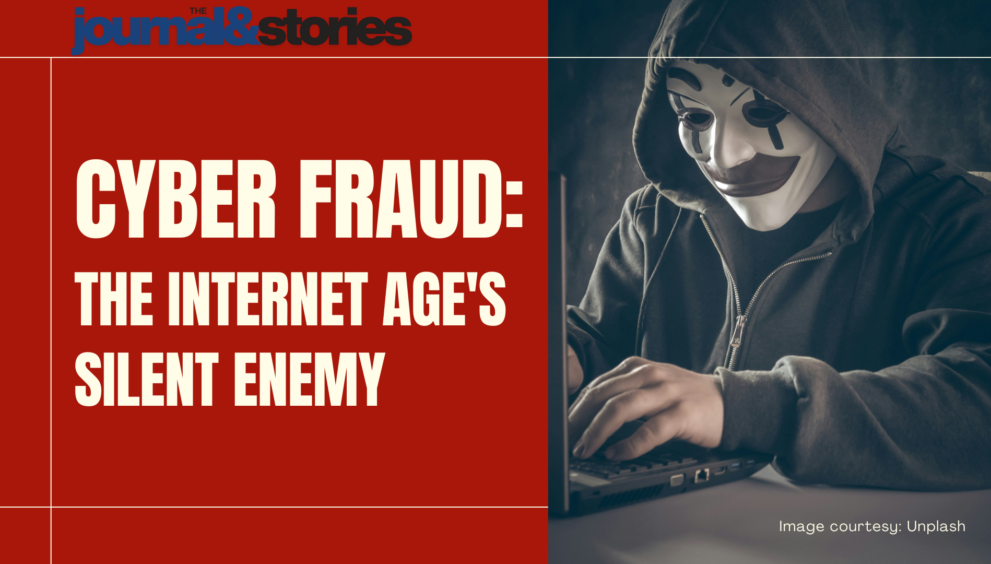

- Cyber Fraud: A Growing Global Threat That Can Ruin Your Financial Security.
- How cyber fraud is putting the digital world at risk, from phishing to deepfakes.
- Cyber Fraud Explained: What it does now and what it could do in the future, and how to stay safe.
Technology has changed the way we live, work, shop, bank, and talk to each other in a world where everything is digital first. Digital platforms have made things easier and faster, but they have also made it easier for cyber fraud, one of the most dangerous and fastest-growing crimes of our time, to happen.
Cyber fraud isn’t just something that tech-savvy criminals do to big businesses anymore. It now has an impact on people, small businesses, big companies, governments, and even systems that protect national security. Cyber fraud is now a global problem that has serious financial, mental, and social effects. This is because more and more people are using the internet and making digital payments.
What is cyber fraud?
Cyber fraud is any crime that uses computers, smartphones, the internet, or other digital systems to trick, steal money, misuse personal information, or damage digital property.
To put it simply:
Cyber fraud is tricking people online for money or personal gain.
It includes fake websites, phishing, hacking, identity theft, fake calls, ransomware attacks, and the wrong use of personal or financial information.
How Dangerous Is Cybercrime?
Cyber fraud is dangerous because it is hard to see, happens quickly, and can happen to a lot of people. People who have been hurt often don’t realize how bad it is until after a lot of damage has already been done. Cyber fraud is different from other types of crime because it can happen from anywhere in the world, making it very hard to find and get back.
Important reasons why cyber fraud is very risky:
Criminals stay anonymous
Attacks happen in a matter of seconds.
You could lose both money and sensitive information at the same time.
After losing money, people often experience psychological trauma and a loss of trust.
If you click on a bad link or share an OTP, you could lose years of savings.
The Most Common Types of Cyber Fraud Today
- Fraud in Online Banking and UPI
Scammers pretend to be bank employees to steal OTPs and PINs or trick people into scanning fake QR codes, which causes them to lose money right away.
- Phishing Attacks
Fake emails, texts, or websites that look like real ones steal your login information, credit card information, and other personal information.
- Scams on social media
Fake profiles, romance scams, lottery offers, cryptocurrency traps, and impersonation frauds are becoming more and more common.
- Fraud in online shopping
Millions of people who shop online have to deal with fake shopping sites, fake discounts, products that don’t arrive, and payment fraud.
- Stealing someone’s identity
Criminals use Aadhaar, PAN, passports, or biometric data in the wrong way to open fake accounts or do illegal business.
- Attacks with ransomware
Hackers encrypt the information of people, businesses, hospitals, or governments and ask for money to get it back.
The Effects of Cyber Fraud Around the World Today
Huge Financial Losses
Every year, cybercrime costs the world trillions of dollars, which hurts economies and financial systems all over the world. The worst hit are often small businesses and people in the middle class.
Effects on the mind and society
People who are victims feel stressed and anxious, lose confidence, and sometimes feel embarrassed in public. Fear or shame keeps a lot of cases from being reported.
Effect on Businesses
Data leaks
Loss of trust from customers
Fines and penalties from the law and the government
Damage to the business and its reputation
A Threat to Governments and National Security
Attacks on government websites
Espionage in cyberspace
Interfering with elections
Power grids, healthcare systems, and defense infrastructure are all being disrupted.
Why is cyber fraud growing so quickly in places like India?
The fast growth of UPI and digital payments
More people are using the internet and smartphones.
New users don’t know much about digital things
Online behavior based on trust
Cybercrime networks that cross borders
Digital adoption has happened faster than people becoming aware of cybersecurity, making things more dangerous.
What Can Cyber Fraud Do in the Future?
1. Cyber Fraud with AI
Fraudsters will be able to automate attacks, tailor scams to specific people, and get around traditional security systems with the help of artificial intelligence.
2. Scams with Deepfakes
People can use voice cloning and facial replication to make fake audio and video that looks like CEOs, politicians, or family members.
3. Using Healthcare Data for Bad Purposes
Digital health records will be a big target, putting patients’ privacy and safety at risk.
4. Attacks on smart devices and the Internet of Things
People could hack into smart homes, connected cars, CCTV cameras, and wearable devices.
5. Going after kids and old people
People who don’t know much about computers are more likely to be manipulated and scammed.
How to Stay Safe from Cyber Fraud (Useful Tips for Avoiding It) Never Share Your OTPs or PINs
Legitimate businesses, banks, and government agencies never ask for OTPs.
Don’t click on links you don’t know.
Don’t click on links that look suspicious in SMS, WhatsApp, email, or social media.
Use passwords that are strong and one-of-a-kind.
Use different passwords for each account.
Put letters, numbers, and special characters together.
Enable Two-Factor Authentication (2FA)
This makes your account even safer, even if someone gets your password.
Be careful on social media.
Don’t share personal information like your phone number, address, travel plans, or financial information.
Only get apps from official stores
You should only download apps from the Google Play Store or the Apple App Store, and you should check the permissions.
Don’t use public Wi-Fi for money transactions.
Data interception is very likely to happen on public networks.
What to Do If You Are the Victim of Cyber Fraud
Tell your bank or payment service provider right away
Call the Cyber Crime Helpline 1930 if you live in India.
Go to cybercrime.gov.in to file a complaint.
Keep proof like messages, emails, call logs, and screenshots.
Taking quick action raises the chances of recovery and stops more loss.
Cybersecurity Is More Than Just Technology; It’s Being Aware
Technology alone can’t stop cyber fraud. Everyone who uses it needs to be aware, responsible, and well-informed about how to use it.
“As our devices get smarter, we need to get smarter too.”
Final Thoughts
One of the most dangerous hidden dangers of the digital age is cyber fraud. It works in secret, spreads quickly, and causes long-lasting emotional and financial harm.
But cyber fraud can be stopped with the right knowledge, digital discipline, and quick action. The best ways to keep people, businesses, and countries safe are through education, being careful, and working together.
You are the first line of defense in the digital world.
Sources
The Cyber Crime Division of the Ministry of Home Affairs, Government of India
India’s National Cyber Crime Reporting Portal
Reports on Global Cybercrime from INTERPOL
World Economic Forum: A Look Ahead at Global Cybersecurity
Reserve Bank of India (RBI)—Guidelines for Secure Digital Payments
CERT-In, which stands for the Indian Computer Emergency Response Team’s paradox