





































































































































































































The Silent Impact of Social Media on Modern Youth
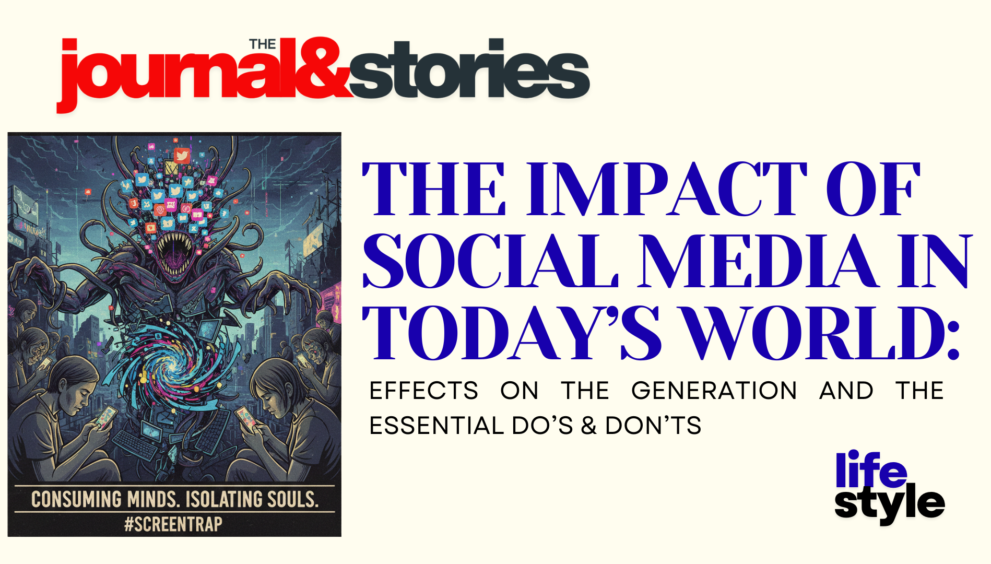

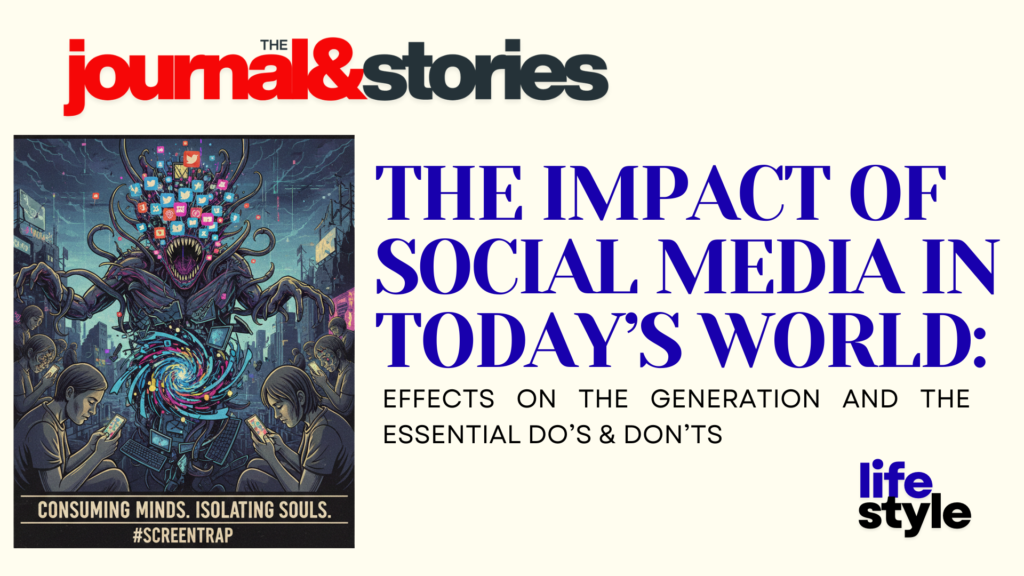
- Social media today shapes the mindset, behaviour, and lifestyle of the younger generation—offering opportunities for learning, creativity, and global connection, but also posing risks like anxiety, addiction, and cyberbullying.
- Excessive use leads to mental health issues, reduced productivity, distorted reality, and weakening of real-life relationships, making responsible usage more important than ever.
- Following essential do’s and don’ts—such as limiting screen time, protecting privacy, avoiding comparison, and verifying information—helps ensure that social media becomes a tool for growth instead of harm.
In today’s digital age, social media has become one of the most powerful communication tools, influencing nearly every aspect of daily life. What started as a platform for connecting with friends and sharing personal moments has now evolved into an influential ecosystem where trends begin, businesses thrive, voices rise, and opinions spread at lightning speed. With billions of users worldwide, platforms like Instagram, Facebook, X (Twitter), YouTube, and TikTok are not just apps—they are cultural phenomena shaping the thoughts, behaviour, and lifestyle of the modern generation.
While social media brings immense opportunities and convenience, it also introduces new challenges affecting mental health, relationships, productivity, and overall well-being. Understanding its impact and adopting healthy practices is essential in ensuring that social media becomes a tool for growth rather than a source of harm.
The Growing Influence of Social Media
Social media has seamlessly integrated into daily life. From morning to night, people indulge in scrolling feeds, checking notifications, and consuming content. Teenagers and young adults spend a significant portion of their day online, following trends, influencers, celebrities, and brands. This constant exposure has significantly shaped decision-making, self-image, career aspirations, and even personal values.
One of the major reasons for its deep impact is accessibility. Smartphones have placed the entire digital world in our hands, allowing instant communication, entertainment, and information. Social media has also become a modern marketplace where businesses promote products, influencers collaborate with brands, and individuals build personal branding. For the younger generation, this digital world often feels more “real” than physical interactions, making its influence both powerful and sometimes overwhelming.
Positive Effects of Social Media on Today’s Generation
Despite criticisms, social media has brought several meaningful benefits:
1. Access to Information & Learning
Young people today have more access to knowledge than any previous generation. Educational content, tutorials, online courses, and skill-building resources help users learn anything—coding, cooking, graphic design, languages, or even starting a business.
2. Opportunities for Creativity & Self-Expression
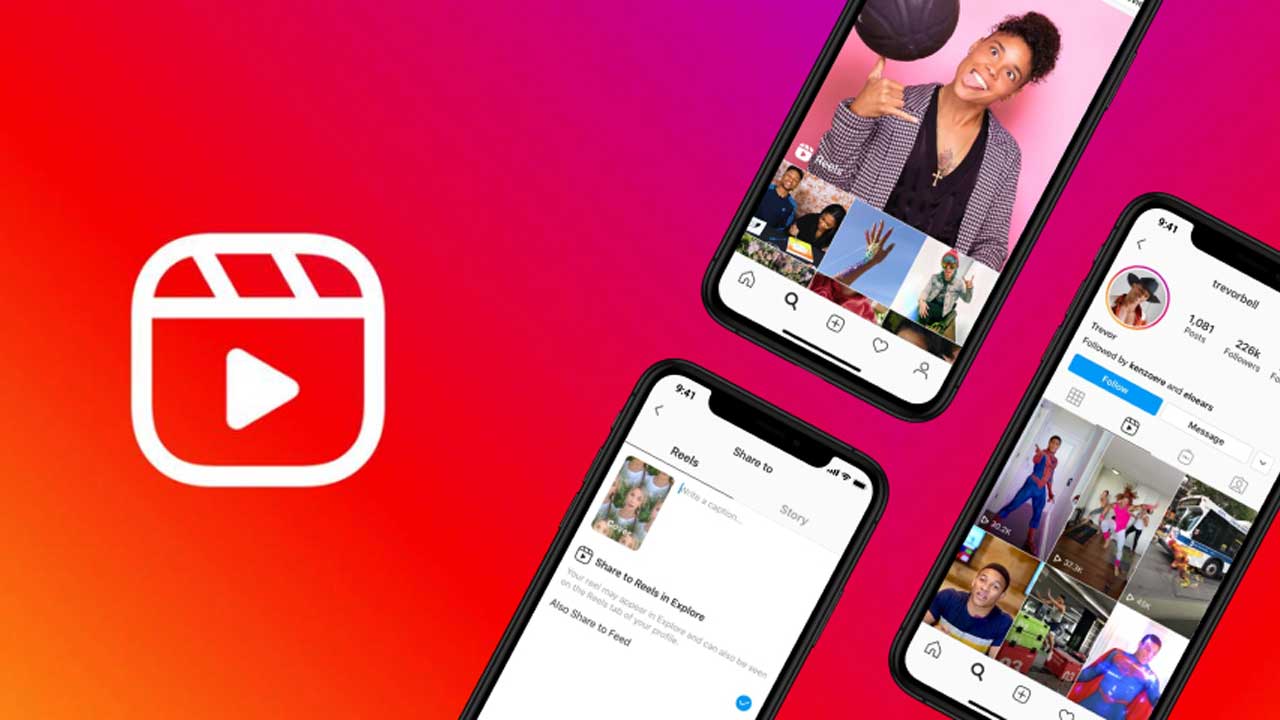
Platforms like Instagram, YouTube, and TikTok encourage creativity. From photography and fashion to music and comedy, individuals showcase talents, build communities, and sometimes turn hobbies into careers.
3. Global Connectivity
Social media connects people across borders, cultures, and languages. It enables conversations that would otherwise be impossible and exposes young minds to global perspectives.
4. Business Growth & Digital Entrepreneurship
Digital creators, influencers, freelancers, and small businesses use social media as a launchpad. It offers free marketing opportunities and helps entrepreneurs reach a wider audience with minimal investment.
5. Social Awareness & Social Change
Movements like climate activism, mental health awareness, and equality campaigns gain traction because people share, support, and amplify causes online.
Negative Effects of Social Media on the Younger Generation
While social media offers benefits, its negative effects often go unnoticed or unacknowledged.
1. Mental Health Issues
Studies have shown a rise in anxiety, depression, low self-esteem, and stress due to excessive social media use. Constant comparison with edited lives creates unrealistic expectations and dissatisfaction.
2. Addiction & Reduced Productivity
Endless scrolling, notifications, and dopamine-driven design make social media addictive. Many young people struggle with reduced academic performance and lack of focus due to excessive screen time.
3. Cyberbullying & Online Harassment
Digital platforms have made bullying easier and more anonymous. Victims face emotional trauma, and the impact can be long-lasting.
4. Distorted Reality & Fake Information
Fake news, false narratives, and unrealistic beauty standards can misguide young minds, leading to confusion and poor decision-making.
5. Reduced Face-to-Face Interaction
Virtual interactions often replace real conversations. This affects communication skills, relationships, and emotional intelligence.
Do’s & Don’ts of Using Social Media Responsibly
To ensure a healthy balance, it’s important to follow certain principles that protect mental well-being while harnessing the benefits of social media.
Do’s
1. Set Time Limits
Allocate specific hours for social media and avoid mindless scrolling. Using screen-time apps can help maintain discipline.
2. Follow Accounts That Add Value
Choose pages that inspire growth—educational content, motivational speakers, fitness, or business-related content.
3. Verify Information Before Sharing
Always cross-check facts from reliable sources to avoid spreading misinformation.
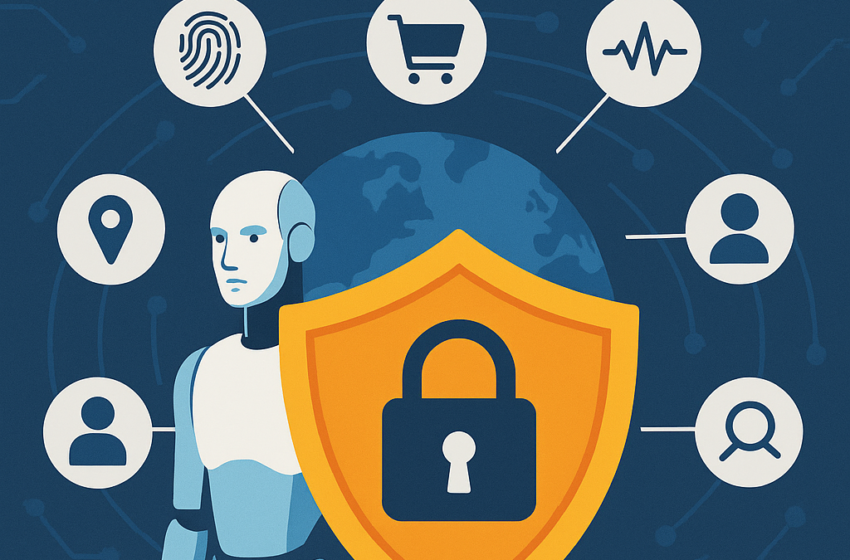
4. Protect Your Privacy
Use strong passwords, enable two-factor authentication, and avoid sharing sensitive information online.
5. Engage Positively
Use social media to encourage others, support meaningful causes, and contribute to discussions respectfully.
Don’ts
1. Don’t Compare Your Life With Others
Remember that social media often shows only the highlights of people’s lives—not their struggles.
2. Don’t Respond to Negativity
Avoid engaging in arguments, hate comments, or toxic discussions. Block and report when necessary.
3. Don’t Fall for Trend Pressure
Not every trend is worth following. Make choices based on your values, not peer pressure.
4. Don’t Overshare
Be mindful of the information you post—once it’s online, it stays forever.
5. Don’t Use Social Media at the Cost of Real Life
Prioritize relationships, hobbies, studies, health, and personal growth over virtual engagement.
Conclusion
Social media is neither good nor bad—it is a powerful tool that depends entirely on how we choose to use it. For today’s generation, it serves as a platform for learning, earning, expression, and connectivity. But if used excessively or irresponsibly, it can affect mental health, productivity, and overall well-being.
A balanced approach—staying informed, being mindful, and using social media intentionally—will allow the youth to enjoy its advantages while avoiding its risks. With the right digital habits, social media can become a stepping stone to knowledge, creativity, and success.