


















































































































































































Why India’s Middle Class Feels Richer — but Lives More Stressed.
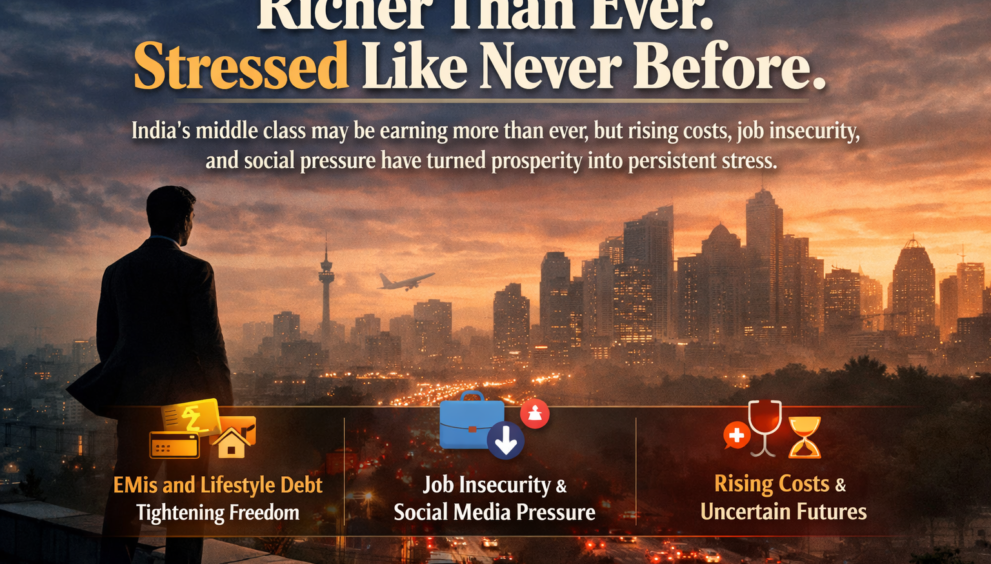

- Rising incomes and easy credit have created the appearance of prosperity, but EMIs and lifestyle debt are tightening financial freedom.
- Job insecurity, social media comparisons, and fast-changing work cultures are turning ambition into constant anxiety.
- Urban living costs, healthcare expenses, and future uncertainties have shifted the middle class from chasing growth to fearing decline.
India’s middle class has never appeared more prosperous. Shopping malls are crowded, smartphones are upgraded every year, international travel is no longer a luxury, and digital payments have made consumption effortless. On paper, incomes have risen, aspirations have expanded, and lifestyles seem more comfortable than ever before. Yet beneath this outward prosperity lies a growing contradiction: India’s middle class feels financially better off, but mentally and emotionally more stressed than previous generations.
This paradox defines the modern Indian urban experience.
The Illusion of Wealth in the Age of Consumption
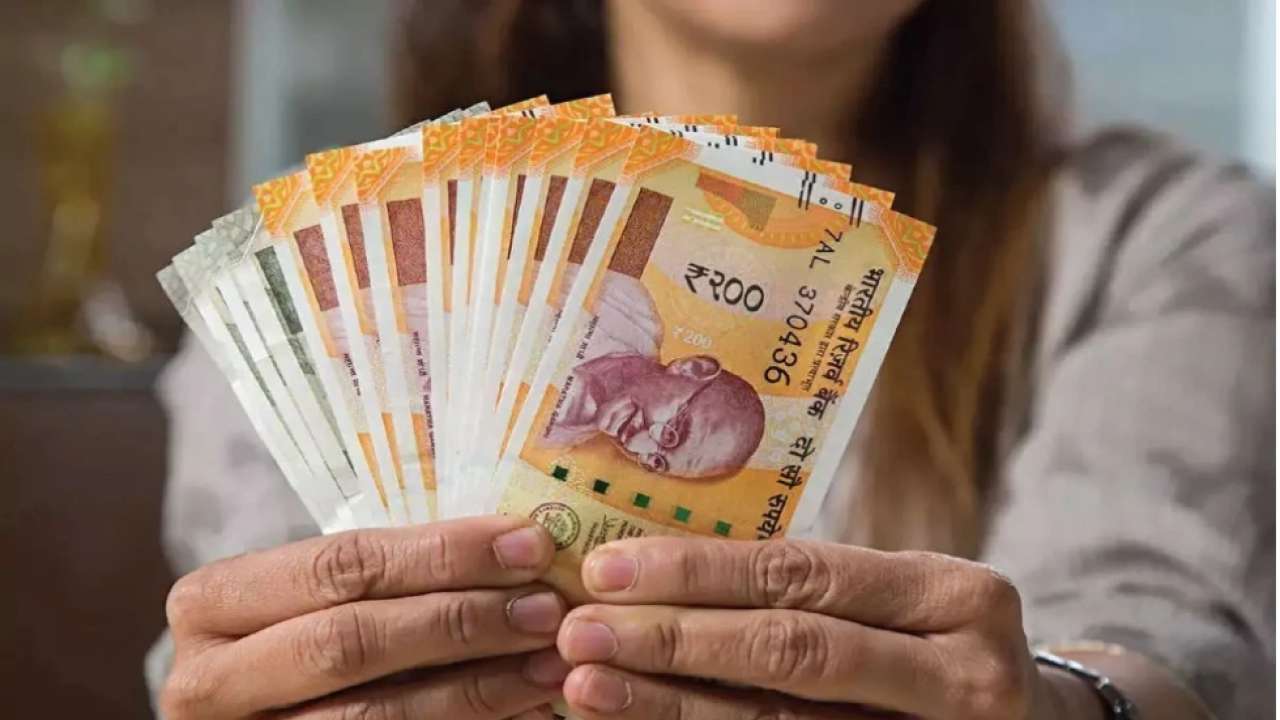
One of the biggest reasons the middle class feels richer is access. Easy credit, EMIs, and digital finance have made expensive products appear affordable. Homes, cars, gadgets, and luxury services are no longer bought outright but financed over years.
While this creates an impression of upward mobility, it also hides a reality of long-term financial pressure. Monthly incomes are already committed before they arrive—housing loans, education fees, vehicle EMIs, insurance premiums, and lifestyle subscriptions consume a large portion of earnings.
What looks like wealth is often structured debt.
Rising Incomes, Faster Rising Expenses
Although salaries have increased over the years, expenses have grown at a much faster pace. Education, healthcare, housing, and urban living costs have surged, especially in metropolitan cities.
A middle-class family today spends:
- More on private education due to concerns about quality
- More on healthcare due to rising medical costs
- More on housing due to urban migration
- More on transport, fuel, and digital services
As a result, disposable income remains tight despite higher paychecks, creating constant anxiety about savings and future security.
The Pressure of “Keeping Up”
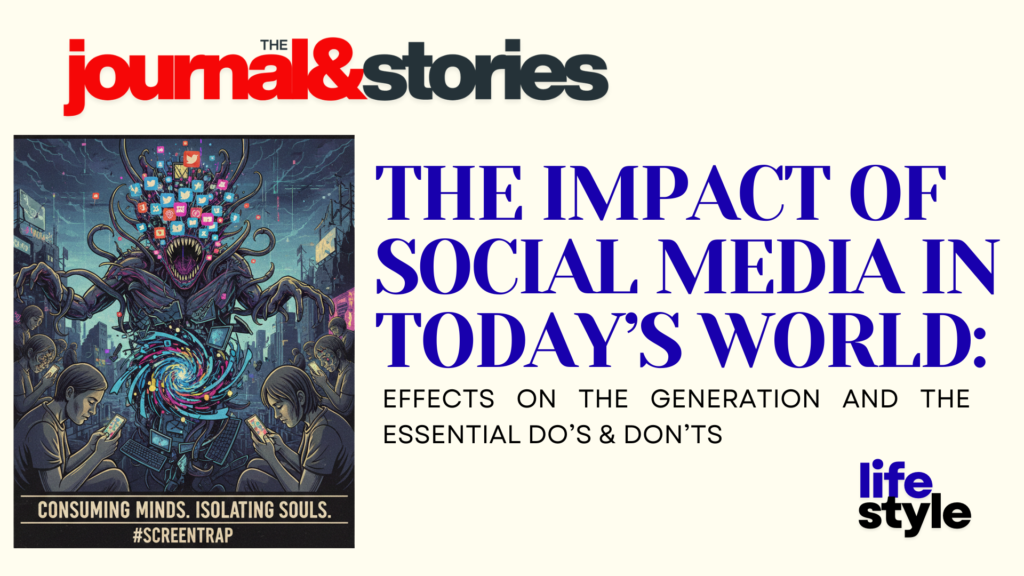
Social media has fundamentally changed how the middle class measures success. Platforms filled with curated lifestyles, luxury vacations, and entrepreneurial success stories create silent pressure to keep up.
Earlier, progress was compared within neighborhoods or extended families. Today, comparisons are global and relentless. This has transformed ambition into anxiety, where financial success is no longer about comfort but about appearance.
The fear of falling behind—socially, professionally, or financially—has become a constant psychological burden.
Job Insecurity in a Fast-Changing Economy
The Indian middle class is also living through an era of economic uncertainty. Automation, artificial intelligence, contractual employment, and startup volatility have disrupted traditional career stability.
Unlike previous generations who could rely on long-term employment, today’s professionals face:
- Shorter job cycles
- Constant upskilling pressure
- Fear of redundancy
- Performance-driven work cultures
This insecurity fuels stress even among those earning well, as financial stability feels fragile rather than guaranteed.
Urban Living: Convenience at a Cost
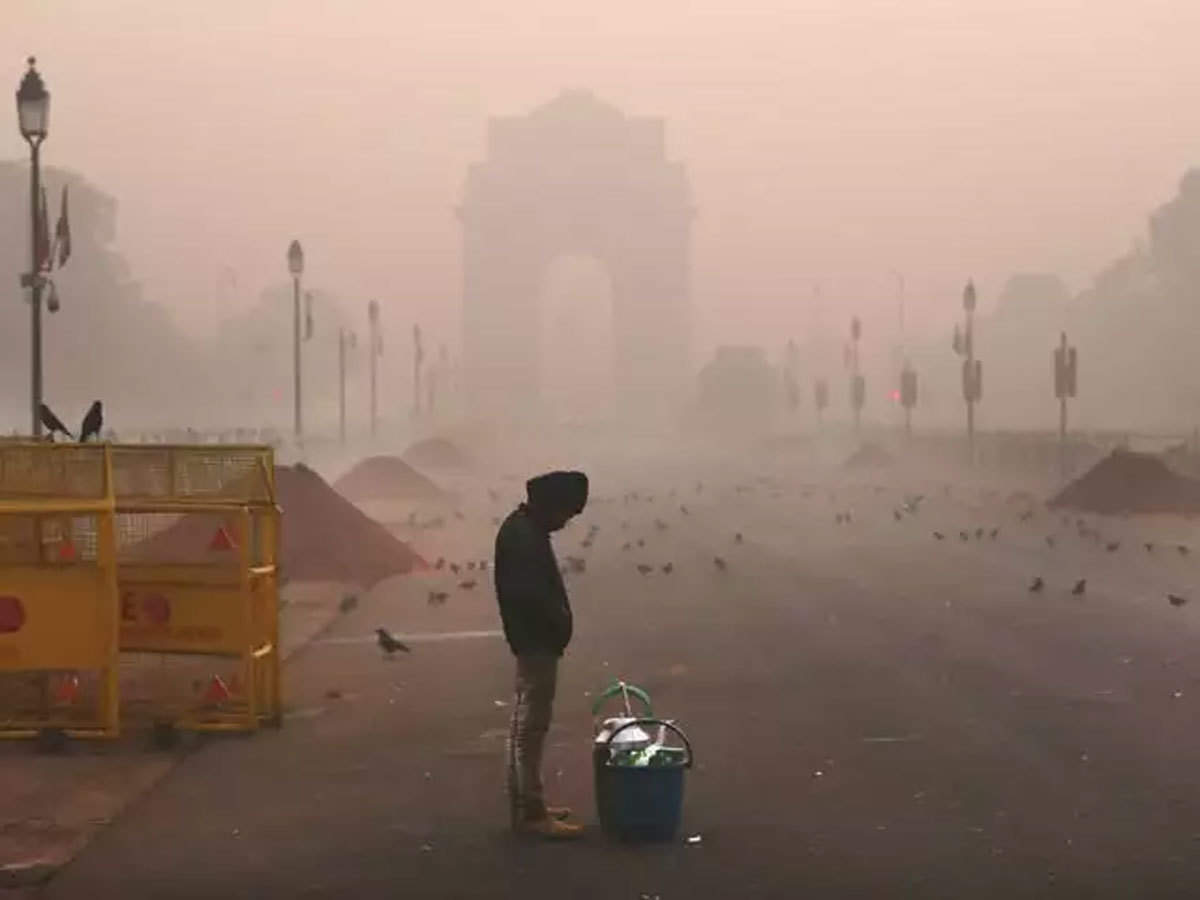
Cities offer opportunities, but they also demand sacrifices. Long commutes, pollution, traffic congestion, and shrinking personal time have become part of daily life.
While urban infrastructure promises efficiency, the lived experience often includes:
- Hours lost in traffic
- Poor air quality affecting health
- Limited community interaction
- Reduced work-life balance
The middle class trades peace for progress, often without realizing the emotional cost until burnout sets in.
Health, Success, and the New Definition of Achievement
Another major source of stress is the changing definition of success. Earlier, stability was the goal—secure employment, home ownership, and family well-being. Today, success is tied to constant growth, visibility, and achievement.
This shift has led to:
- Longer working hours
- Reduced leisure and family time
- Neglect of mental and physical health
Ironically, increased spending on wellness—gyms, therapy apps, retreats—is itself a sign of rising stress rather than improved well-being.
The Middle-Class Sandwich Generation
Many middle-class individuals today support both aging parents and growing children simultaneously. This “sandwich generation” faces emotional and financial pressure on multiple fronts.
Responsibilities include:
- Medical care for parents
- Education and future planning for children
- Maintaining lifestyle expectations
- Preparing for retirement
With limited social security systems, the burden of long-term planning falls entirely on individuals, intensifying stress about the future.
The Fear of Falling, Not Rising
Perhaps the biggest psychological shift is that the middle class is no longer focused on rising—it is focused on not falling.
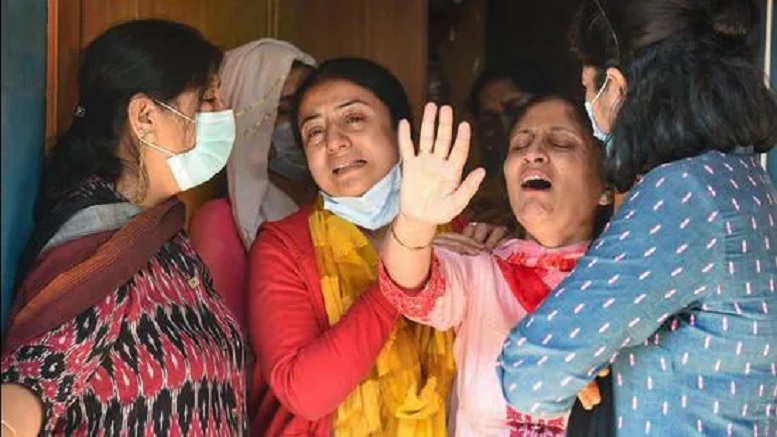
Rising inflation, healthcare costs, education fees, and economic uncertainty have created a constant fear of downward mobility. Even a medical emergency or job loss can destabilize years of financial planning.
This fear keeps people anxious, risk-averse, and emotionally exhausted, despite outward financial success.
A Generation Caught Between Aspiration and Anxiety
India’s middle class stands at a crossroads. It enjoys unprecedented access to opportunities, technology, and global lifestyles. At the same time, it carries the emotional burden of competition, insecurity, and rising expectations.
Feeling richer has not translated into feeling safer or happier. Comfort has increased, but peace has not.
Conclusion: Rethinking Progress
The story of India’s middle class is not one of failure—it is one of transition. The challenge now is to redefine progress beyond income and consumption.
True prosperity will depend on:
- Sustainable urban planning
- Stronger social safety nets
- Balanced work cultures
- Mental health awareness
- Financial literacy over financial display
Until then, India’s middle class will continue to live this paradox—appearing prosperous, yet privately stressed.