





















































































































































Vijay Shekhar Sharma went from wanting to do big things in a tiny village to leading India’s digital payments revolution.
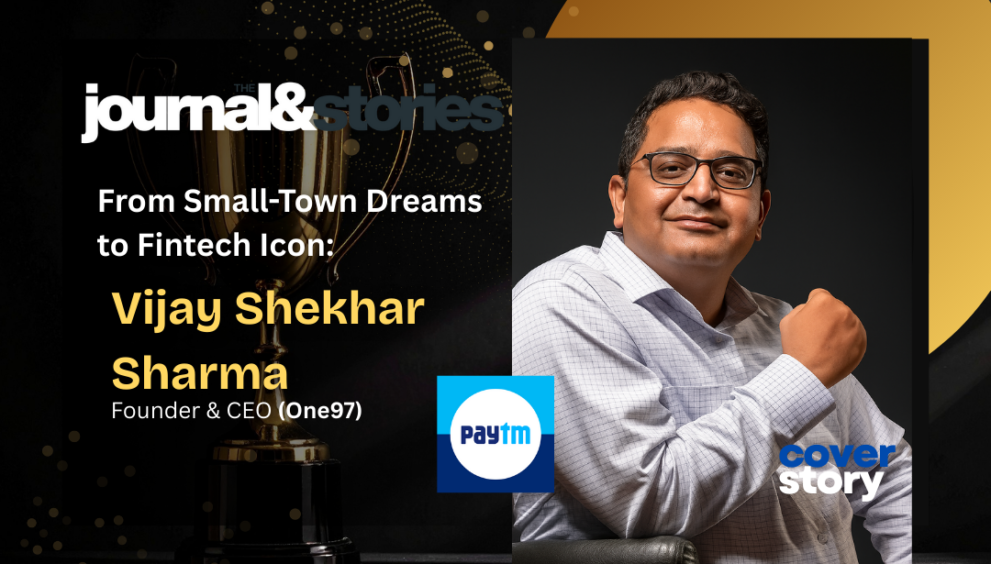

- Vijay Shekhar Sharma’s path from a Hindi-speaking student in a tiny hamlet to the creator of India’s biggest digital payments company is a great example of how to be strong and believe in yourself.
- He played a big part in changing India from a cash-based economy to a digital-first country by starting Paytm. “Paytm Karo” became a common word.
- Even if the sector has problems and some have criticized him, his unshakable ambition for financial inclusion and long-term innovation continues to influence India’s fintech future.

Vijay Shekhar Sharma is the public face of India’s financial revolution and the man of Paytm. His story of growing up impoverished in a small village in Uttar Pradesh and becoming one of India’s most successful software entrepreneurs is a remarkable illustration of how hard work, ambition, and confidence in technology can transform the world. Paytm is a symbol of India’s digital economy today. At its center resides the soul of its creator, which can’t be broken.
Started off little: grew up in a small town.
Vijay Shekhar Sharma was born in Aligarh, Uttar Pradesh, in 1978. His family wasn’t very wealthy. His mom remained home to take care of the house, while his dad was a teacher. The Sharma family didn’t have a lot of money, but they truly cared about school. Like millions of other Indian families, his parents felt that education was the greatest way to make things better in the future.
Vijay was particularly interested in math and science when he was a child. But it was challenging for him to grow up in a Hindi-speaking home, especially when he went to school to become an engineer, where English was the dominant language. He would have to cope with this language barrier right away in his life.
School and Hard Times Before
Vijay went to the Delhi College of Engineering (DCE), which is now named the Delhi Technological University (DTU), to study how to be an engineer. This was a significant thing, yet the shift wasn’t easy at all. At first, it was hard for Vijay to converse, comprehend lectures, and speak out since most of his classmates came from schools where English was the main language.
He chose to keep going instead of quitting. He read a lot of books, spoke to a lot of people, and learned how to program computers to become better at English. He felt powerful and sure of himself throughout these years. The difficulties he had in college made him better in business later on.
First Steps to Starting a Business
While he was still in college, Vijay Shekhar Sharma began to think about ideas for business and technology. In the late 1990s, when the internet was still new in India, he founded a business called One97 Communications. The name derives from the country code for India, which is “One97.”
One97’s main purpose at initially was to provide mobile content services including ringtones, news alerts, and entertainment over SMS. This was a courageous and inventive move at a time when mobile phones weren’t particularly common and the internet wasn’t very popular. The company survived the dot-com bubble crash, which was when many new enterprises went down.
But there was a cost to keeping alive. Vijay was experiencing problems with money, didn’t know what would happen next, and hadn’t had a regular job in a long time. He frequently thought about whether he would ever be able to achieve his goal of being an entrepreneur.
Paytm Is Here: A Big Change
Paytm (Pay Through Mobile) was launched in 2010, and that’s when Vijay Shekhar Sharma’s life turned for the better. The main goal of Paytm was to allow customers pay their bills and put money on their phones. The idea was simple yet strong: let most Indians pay online easily.
Back then, India still required a lot of money. People didn’t trust buying things online, there weren’t many methods to pay online, and the internet wasn’t particularly good. It’s challenging for people and companies to use digital wallets. Vijay, on the other hand, believes that mobile phones might be the answer to financial inclusion.
Paytm’s challenges with growing
At first, Paytm had a hard time running its business. It needed a lot of time and money to construct technology on a wide scale, make sure it was secure, train people how to use it, and encourage businesses to adopt it. Another huge challenge was getting money. Investors weren’t convinced whether India was ready for online payments.
Vijay Shekhar Sharma remains focused on his long-term goals instead of short-term earnings, even when these issues came up. Paytm got a lot of money from Alibaba Group and Ant Financial because he worked hard. These investments were particularly crucial for improving Paytm’s technology and expanding its ecosystem.
The moment of truth: demonetization
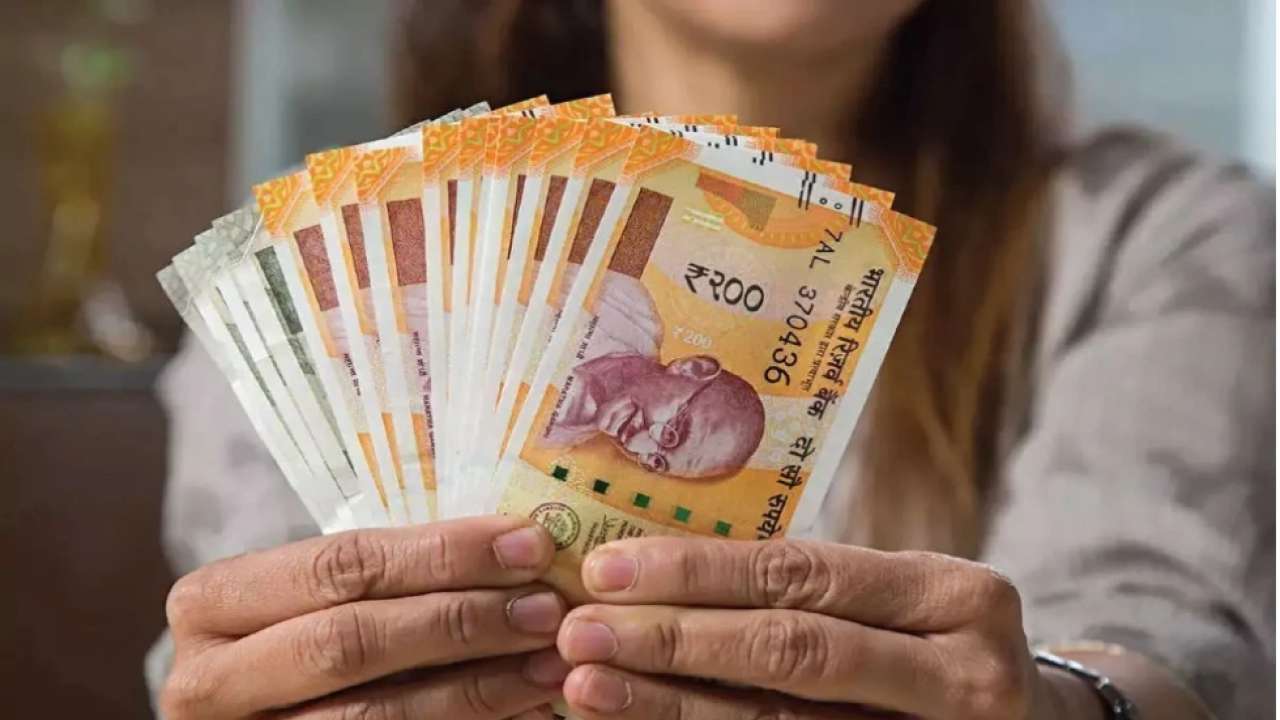
In November 2016, the Indian government started demonetization. This meant that bills with a lot of value were no longer accepted as payment. This important choice changed the country’s economy and was a big step forward for Paytm.
When money stopped working, millions of Indians started using digital payment methods. Paytm gained a lot from this adjustment. The number of people, businesses, and transactions that utilized the service rose fast.
Vijay Shekhar Sharma quickly made Paytm the best method to pay for anything, from tea shops to shopping malls. The phrase “Paytm Karo” became quite famous all throughout India.
Not simply payments
Vijay turned Paytm from a digital wallet into a comprehensive range of financial services. The firm grew into many other areas, such as:
Paytm Bank for Payments
Transactions based on UPI
Shopping and buying stuff online
Tickets to movies, excursions, and other fun things to do
Taking care of money and receiving insurance
Loans and credit possibilities
This diversification indicated that Vijay was a strategic thinker who knew how the needs of Indian clientele were evolving. He didn’t just want to launch a firm; he wanted to develop a platform for the digital economy that operated together.
Goals and Style of Leadership
People remember Vijay Shekhar Sharma because he built a lot of things, made hard choices, and took chances. He likes to suggest that he is more of a product-focused company owner than a typical business leader.
His goal is to make sure that everyone, including tiny enterprises and those who live in rural regions, can use digital financial tools. He is quite persuaded that technology can help level the playing field between wealthy and poor people and give millions of Indians greater power.
Vijay has always placed generating money in the long run ahead of making money in the short term, even when he has been criticized, had difficulties with the law, or the market has been shaky.
Paytm’s initial public offering (IPO) and issues in the market
One of the largest IPOs in India was Paytm’s in 2021. People stated the IPO didn’t do well on the market and wasn’t worth much, therefore it wouldn’t generate much money. On the other side, Vijay Shekhar Sharma was honest about the challenges.
He didn’t give up; instead, he regarded the experience as an opportunity to improve. He stressed again that Paytm is dedicated to improving governance, making sure that everyone respects the laws, and slowly moving toward long-term profitability. He demonstrated how grown up he was as a leader by trying to be honest and accept responsibility during this period.
Achievements and Compliments
Vijay Shekhar Sharma is a well-known figure in India’s banking and startup sectors.
Time Magazine said they were one of the 100 most significant persons in the world.
Forbes claims they are among the finest businessmen.
Honored for promoting digital payments and making money accessible to everyone
Was a big element in making India a world leader in fintech
His greatest achievement, after collecting awards, is changing the way people in India do business every day. He has made people less dependent on cash and more likely to accept digital payments.
What we may take out from Vijay Shekhar Sharma’s story
Vijay’s tale may teach everyone who wishes to start their own company a lot:
You don’t have to let your past control your future. He didn’t speak English and came from a little hamlet, but that didn’t stop him from having big goals.
Being persistent is better than having a lot of money. It could help you get through challenging times if you work hard and stay strong.
Planning and timing are very crucial. Paytm was ready when India needed to make digital payments the most.
Don’t be afraid; look at the big picture. He stayed focused on his goal, even when things went wrong or people said horrible things about him.
In conclusion, a new India is coming.
Vijay Shekhar Sharma is a remarkable example of modern India since he is brave, creative, and wants to perform well. His journey from Aligarh to founding a large financial organization demonstrates what can happen when you put in the effort and take advantage of an opportunity.
He has altered how people in India deal with money and started a successful firm called Paytm. His story still inspires millions of new company entrepreneurs. They think that no goal is too big, no problem is too little, and no failure means the end.
People will always remember Vijay Shekhar Sharma as a bold pioneer who dreamt of and developed a society that was strong, connected, and cashless as India moves farther into the digital age.