





















































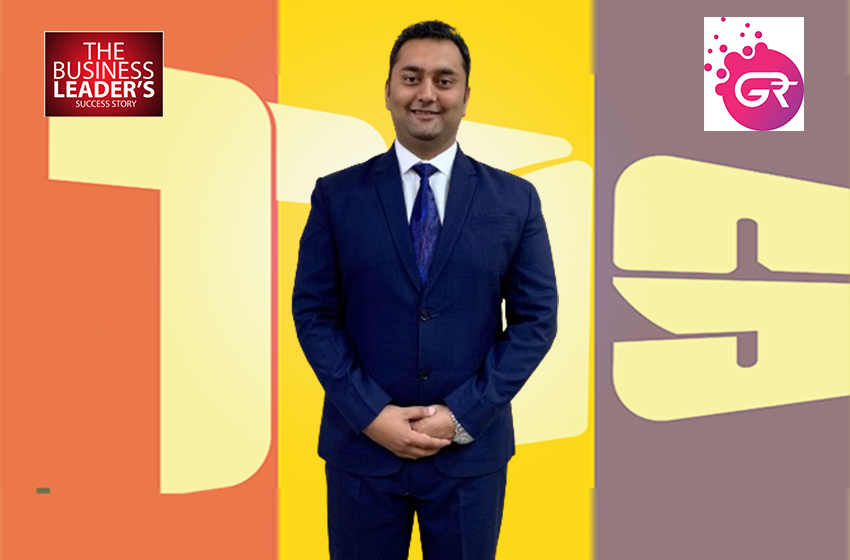

























































































































































Varun Chawla: The Entrepreneur Who Started India’s Co-Working Revolution.
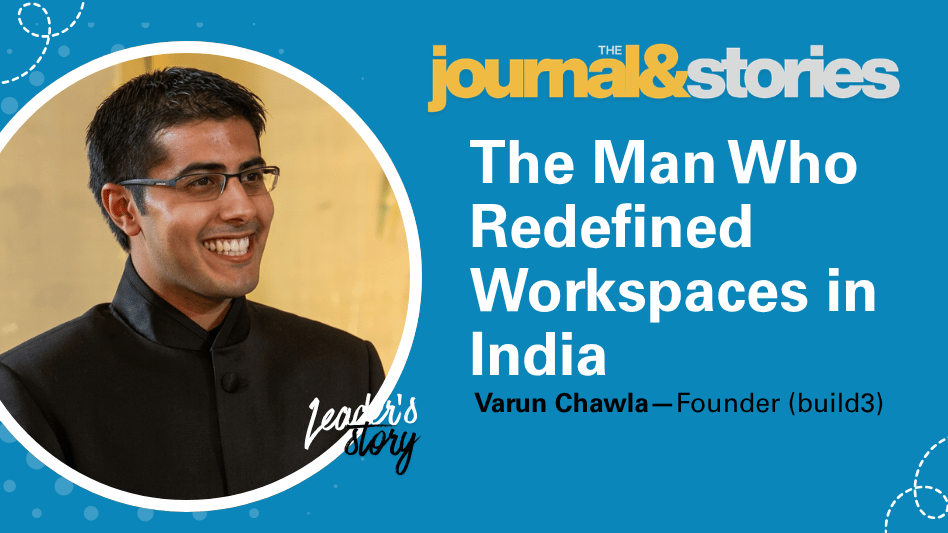

- Varun Chawla transformed India’s startup ecosystem by building 91springboard, a community-driven co-working revolution.
- From multiple failures to a successful exit, his journey proves that persistence is the real key to success.
- With build3, he is now shaping the future by supporting startups that create meaningful change. His focus has evolved from building companies to building entire ecosystems.
In India’s ever-changing startup ecosystem, Varun Chawla is one of the most well-known names. He is a visionary entrepreneur who changed the way businesses work, interact, and flourish. Chawla is best known as the co-founder of 91springboard, but he has also been a key figure in defining India’s co-working culture and giving thousands of entrepreneurs across the country the tools they need to succeed.
His tale is not just about starting a great business; it’s also about being strong, trying new things, failing, and finally making a difference. Varun Chawla’s path as an entrepreneur, which includes working in investment banking and starting several businesses, many of which failed, is a great example of how to be persistent and come up with new ideas.
Early Life and the Start of His Education
On March 3, 1981, Varun Chawla was born in Hyderabad, India. He spent his early youth in both India and Saudi Arabia, but his family eventually settled in Delhi. Being around people from different cultures at a young age let him see the world in a new way and be more flexible—two traits that would later define his business approach.
He went to Cornell University in the United States to get a further education and finished with a degree in Applied Economics and Management. He didn’t just study business in school; he also studied philosophy and architecture, which showed that he was interested in many other fields. This would subsequently affect how he approached entrepreneurship.
Early Career: From Wall Street to Starting a Business
Varun started his career at Goldman Sachs after finishing school. He worked in both New York and Bengaluru. During this time, he learned a lot about global financial systems, how to think strategically, and how to make decisions under pressure.
But even though investment banking was prestigious and stable, Varun really wanted to start his own business. He gave up a stable job in a big company to do something much more risky: starting enterprises from scratch.
This choice started a hard but life-changing adventure as an entrepreneur.
Failures That Laid the Groundwork
Varun Chawla’s story is different from many other success tales because it includes several failures that lead to success.
He started a number of businesses early on in his career, such as:
Investments in Springboard
Ordemus Capital is an algorithmic hedge fund.
Tyra Media Tech
Most of these businesses didn’t make any money. But instead of making him feel bad, these things taught him the most. He later said that these failures taught him important things about how to establish a team, when to do things, and how to get ready for the market.
One of his most successful projects, MyGuestHouse, a bargain housing portal, was bought by MakeMyTrip in 2011. This exit offered him the money and confidence he needed to go after bigger projects.
The Beginning of 91springboard
Varun Chawla, Anand Vemuri, and Pranay Gupta started 91springboard together in 2012. The idea was simple but powerful: provide a place where businesses could work without having to worry about infrastructure and grow a strong community at the same time.
Back then, India’s startup scene was still quite new. Entrepreneurs have a hard time with:
Finding cheap office space
Getting access to mentors and networks
Creating places where people can work together
91springboard solved all of these problems by creating a co-working paradigm that is led by the community.
The platform was different because of its philosophy: it wasn’t just about renting office space; it was about creating a healthy ecology.
More than just places to work
91springboard was different from other office providers in that it aimed on making entrepreneurs feel like they belonged.
The platform had:
Office spaces that can be changed
Chances to meet new people
Interactions with investors
Events for startups and mentoring
Their unique strategy included events like “Reverse Pitch,” where investors pitch to companies.
This community-first attitude allowed 91springboard grow into more than simply a place to work; it also became a startup incubator, a place to network, and a place to come up with new ideas.
Growth and Expansion All Over India
91springboard grew quickly from one location in New Delhi to major Indian cities like Delhi, Mumbai, Bengaluru, Hyderabad, Pune, and Goa.
The business grew to:
Thousands of people are members
There are many co-working spaces in India.
A big presence in the world of startups
At one point, it had more than 3,000 teams and thousands of entrepreneurs, from freelancers to well-known firms.
The company also got a lot of money from investors, which helped it grow and come up with new ideas.
Recognition and Effect on the Industry
91springboard got a lot of important awards when Varun Chawla was in charge:
Worked with Barclays on its fintech innovation platform
NITI Aayog chose it as one of the best incubators.
Google picked them to be its only Indian partner for startup projects.
These accomplishments made 91springboard one of the most important startup ecosystem builders in India.
More importantly, the company was very important in:
Making it easier for new businesses to get started
Promoting business ownership
Creating a startup culture in India that works together
Philosophy: People are more important than things
One of Varun Chawla’s most important convictions is that “workspace is not about walls—it’s about people.”
While most co-working companies were more interested in real estate and infrastructure, 91springboard put the following first:
Getting involved in the community
Sharing knowledge and growing together
This way of thinking helped new businesses save money and focus on growing their main operations instead of dealing with office logistics.
Problems and changes in strategy
Varun’s road, like every other entrepreneur’s, had its ups and downs.
The co-working business had to deal with:
Uncertain markets
Doubt among investors
Very tough competition
Even with these problems, 91springboard was able to stay in business and make money, which is not common in the startup world.
Varun Chawla stopped running 91springboard on a daily basis in 2020, which was a big turning point in his career.
The Next Chapter: build3
Varun left his job at 91springboard and co-founded build3, a startup studio in Goa.
Unlike other startups, build3’s main focus is on:
Helping businesses that are just starting out
Putting money into startups that make a difference
Starting businesses in areas like healthcare and sustainability
This change shows that Varun’s ambition has changed from establishing companies to building ecosystems that make a difference.
The way you lead and the way you think as an entrepreneur
The way Varun Chawla leads is very much based on:
Trying things out
Taking risks and learning from mistakes
People often call him a “dot connector” because he puts people, ideas, and chances together to make something bigger than the sum of its parts.
His adventure teaches us an important lesson:
To be successful, you have to learn from your mistakes and keep going.
Effects on India’s startup ecosystem
Varun Chawla has done a lot more for India’s startup ecosystem than just help businesses succeed.
He did the following through 91springboard:
Helped thousands of new businesses get started and grow
Made a culture of working together as entrepreneurs
Lowered the cost and difficulty of launching a business
His work gave entrepreneurs the infrastructure and support they required at a time when India’s startup environment was still growing.
What Varun Chawla’s Journey Taught Us
The story of Varun Chawla teaches aspiring business owners a lot:
1. Failure is a Step Up
He didn’t let multiple unsuccessful businesses stop him; they made him stronger.
2. Put your attention on the community
Building networks and relationships can be more important than building things.
3. Change and grow
His path has taken him from finance to hospitality to co-working and now startup studios, showing that he is always changing.
4. Think about how it will affect the future.
His move to build3 shows that he is focused on making important and long-lasting changes.
Conclusion: A Legacy That Goes Beyond Business
Varun Chawla is more than just a business owner; he builds ecosystems, communities, and chances.
His path from working at Goldman Sachs to being a serial entrepreneur and ecosystem builder shows the ethos of modern India: brave, strong, and always looking ahead.
He didn’t just build office spaces with 91springboard; he started a movement that changed how entrepreneurs do business in India. And with build3, he keeps pushing the limits, showing that real success isn’t just about developing companies, but also about helping others construct theirs.
Varun Chawla is still a name that stands for creativity, hard work, and making a difference in a business world that is changing quickly.