
























































































































































Latest Politics in India 2026: Major Developments, Challenges and the Road Ahead
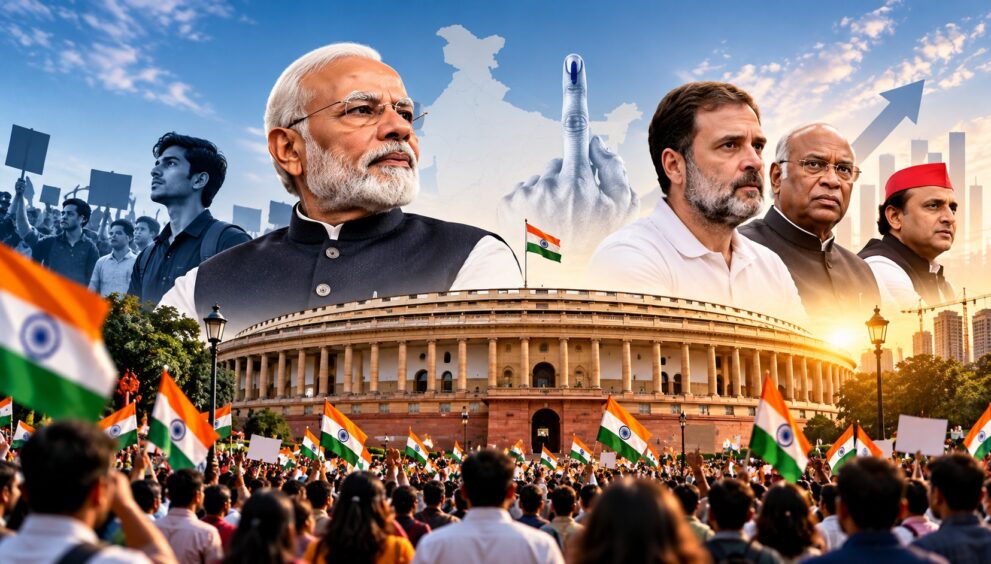

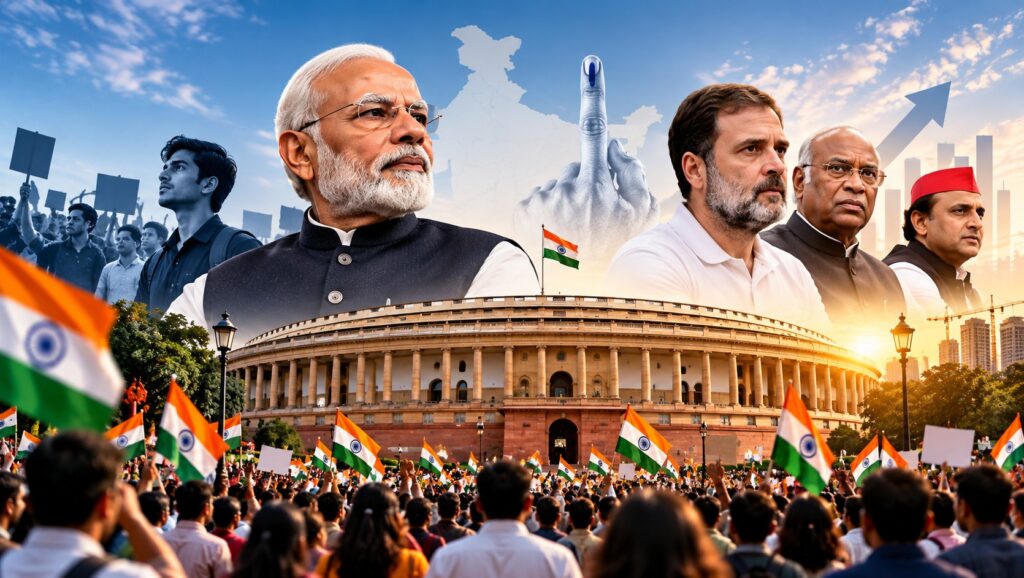
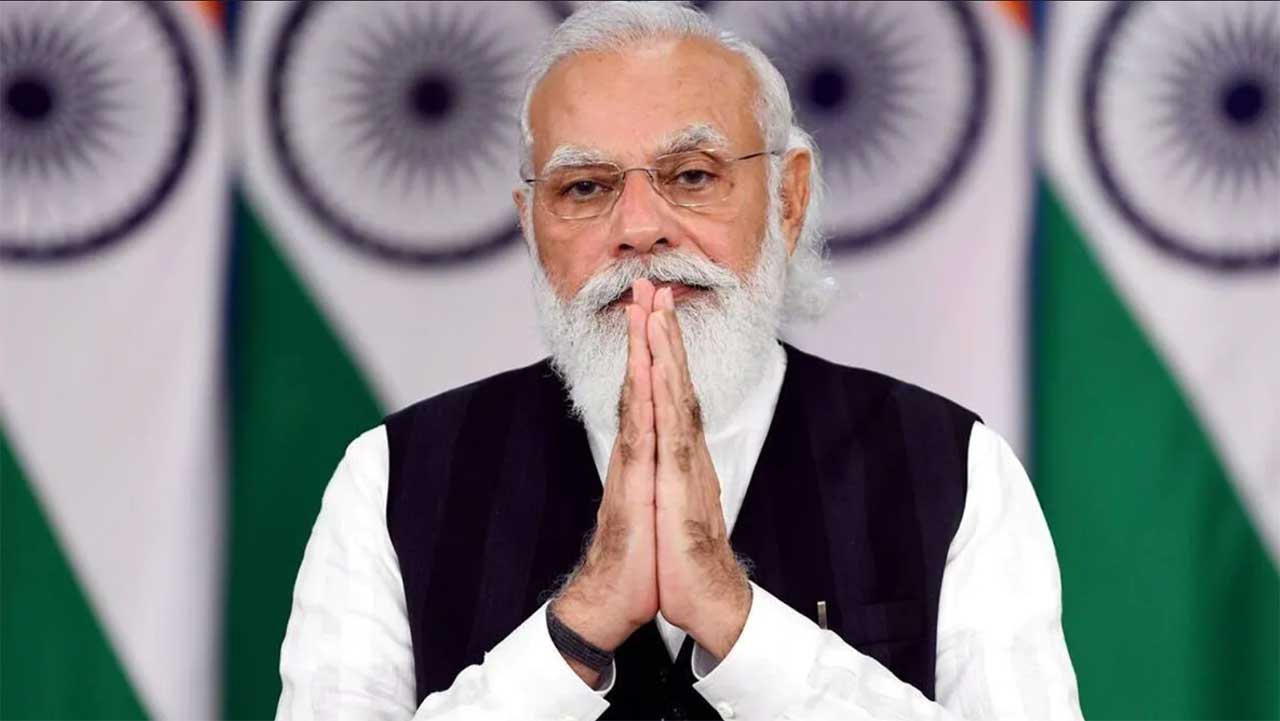
Indian politics in 2026 is witnessing significant developments involving electoral transparency, youth participation, economic challenges, and the relationship between the ruling government and opposition parties. Under Prime Minister Narendra Modi, the country continues to debate governance, democratic institutions, employment, and the future direction of its political system. As India approaches the next general election, scheduled for 2029, these issues are becoming increasingly important for political parties and voters alike.
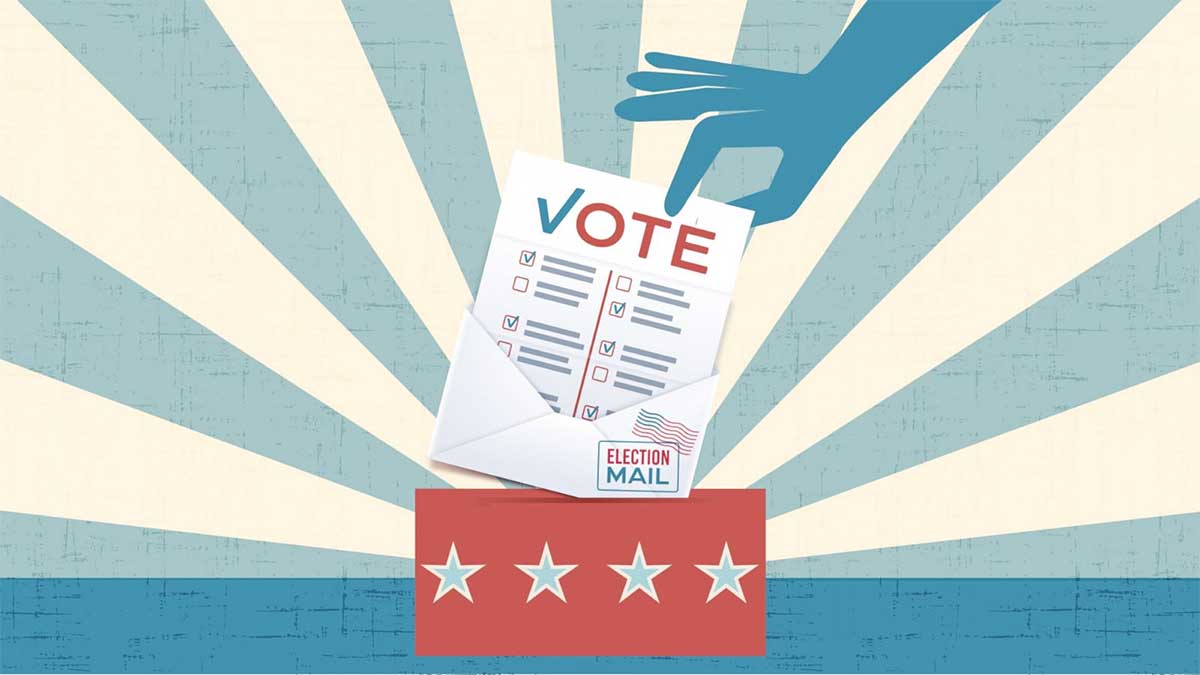
Electoral Transparency Becomes a Major Political Issue
One of the biggest political controversies in October 2026 concerns revisions to India’s electoral rolls. The Election Commission’s voter-list revision process has triggered protests by opposition parties and youth groups.
According to Reuters, more than 130 million names were removed from voter lists during the process. The Election Commission has attributed these removals to factors including deaths, relocation, duplicate entries, and voters who could not be traced.
Opposition parties have questioned the process, arguing that eligible voters may have been excluded and demanding greater transparency. The Election Commission and the ruling Bharatiya Janata Party (BJP) have rejected allegations of politically motivated manipulation.
The controversy highlights the importance of accurate electoral records and accessible procedures for correcting voter information. Ensuring that eligible citizens can exercise their voting rights remains essential to public confidence in elections.
Youth Participation and Public Protests
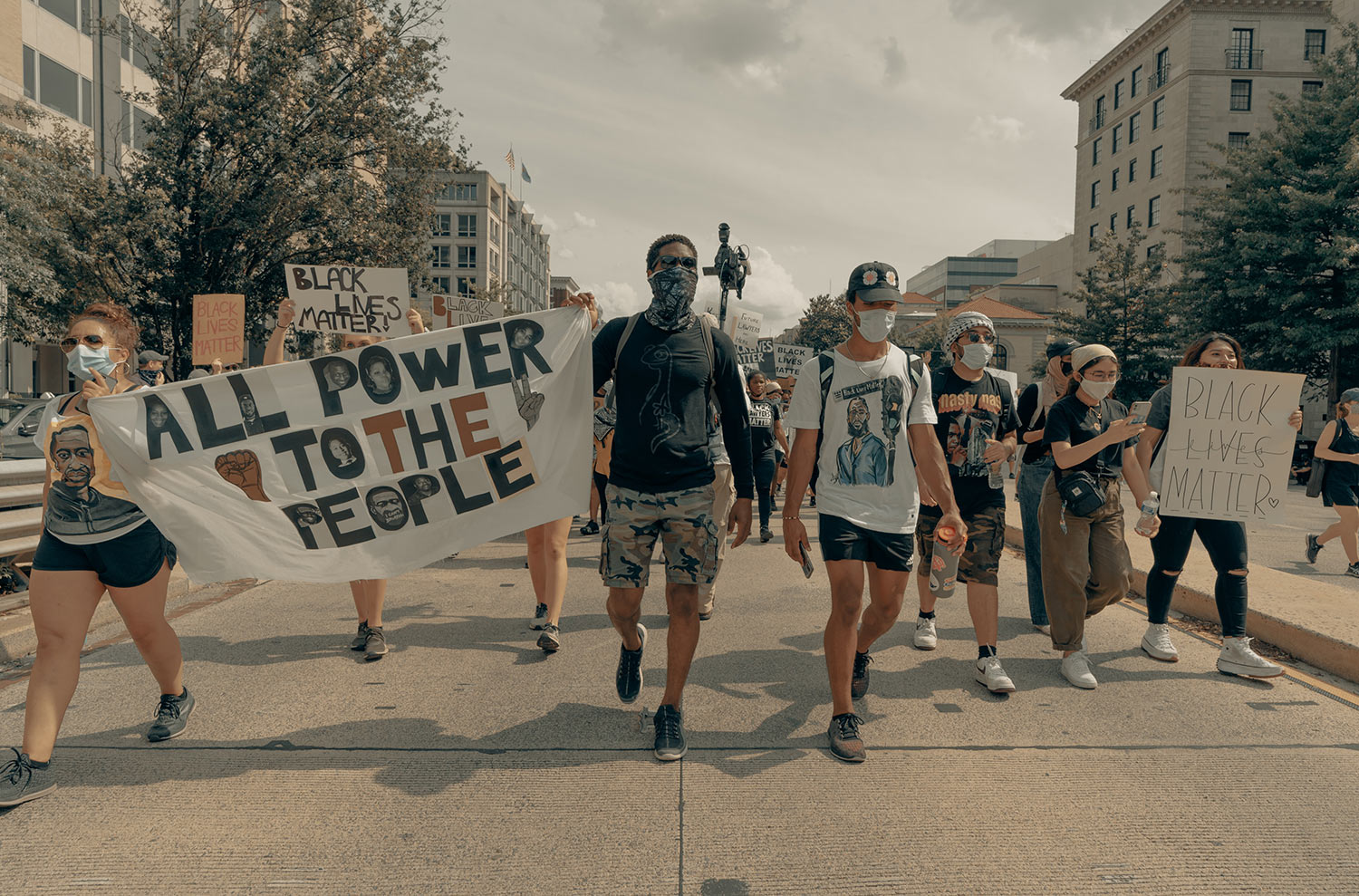
Young people are playing a growing role in India’s political discussions. Student groups and youth-led movements have participated in demonstrations concerning voter registration, education, employment, and government accountability.
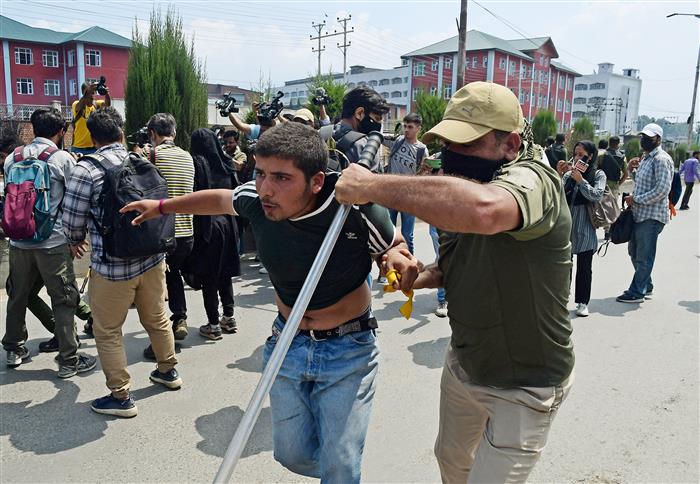
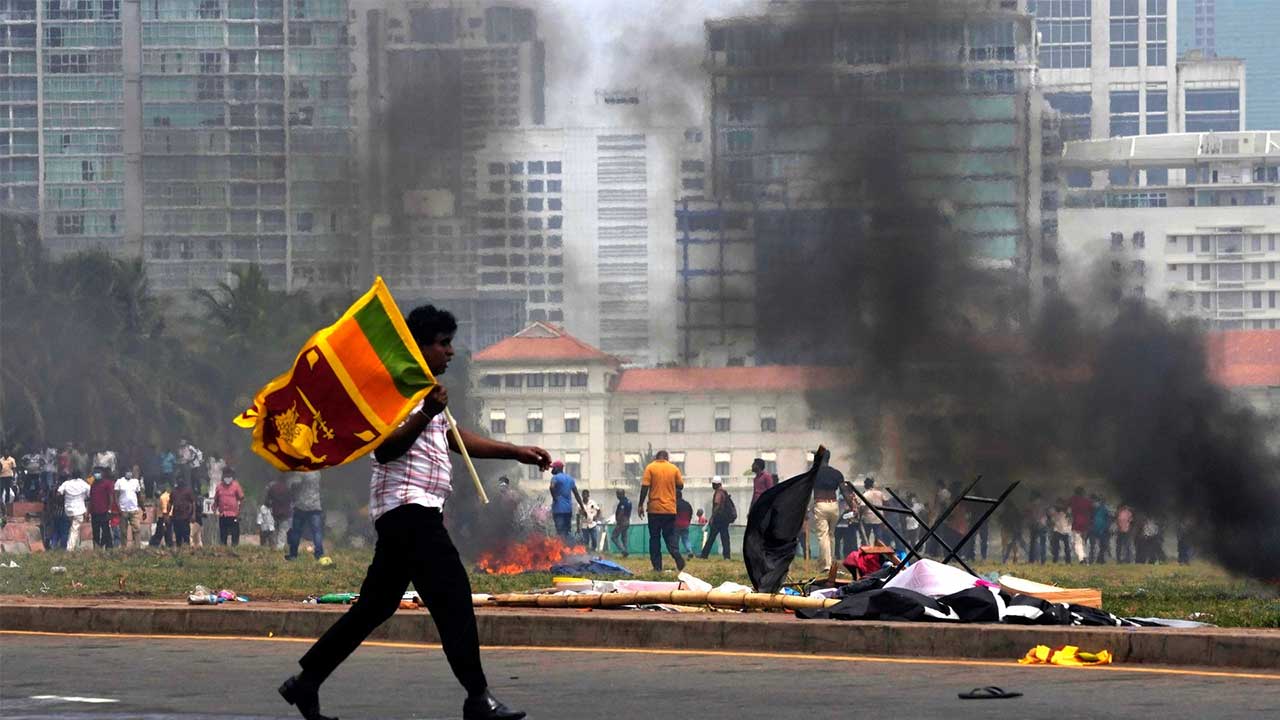
Recent protests have increased pressure on the government and electoral authorities. Demonstrators have demanded accountability from the Election Commission, while authorities have faced criticism over restrictions imposed during protests.
On October 20, United Nations independent experts called for an end to the alleged excessive use of force against demonstrators and urged impartial investigations into reported abuses. The Indian government has rejected criticism of its handling of the protests as interference in domestic affairs.
These developments demonstrate that younger citizens increasingly expect transparency, employment opportunities, fair treatment, and meaningful participation in public affairs.
The BJP Government and Its Political Priorities
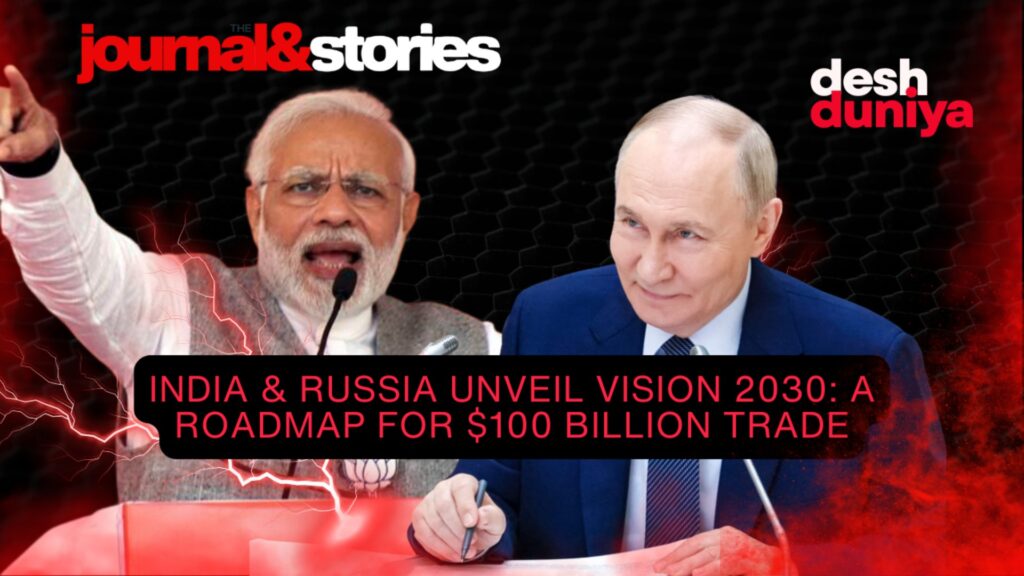
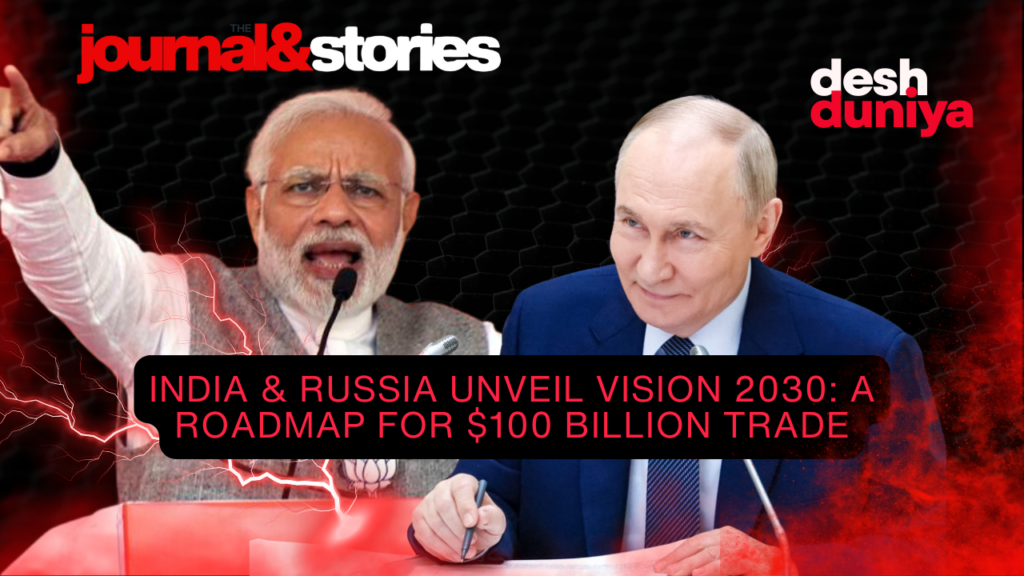
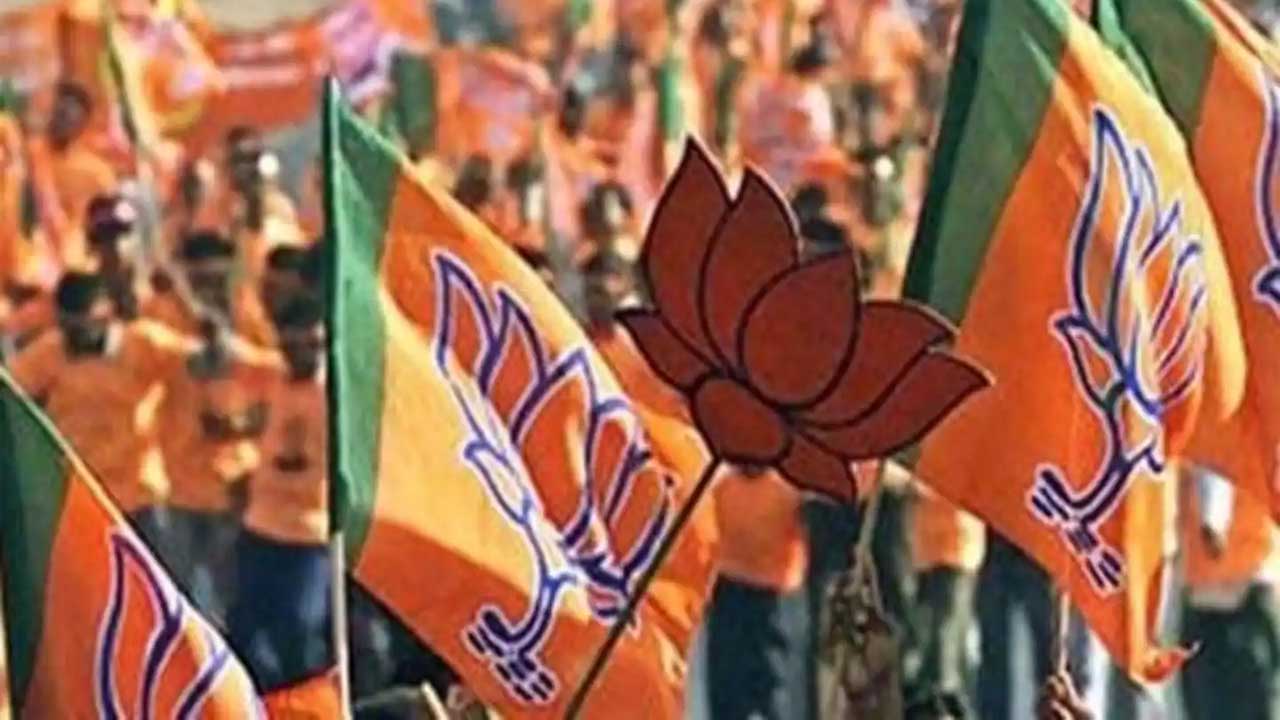
The BJP remains the central force in national politics under Prime Minister Narendra Modi. Its political agenda includes economic development, infrastructure investment, national security, welfare programmes, and India’s ambition to become a developed country by 2047.
The government also faces challenges in maintaining public confidence amid controversies involving electoral administration, employment, and institutional accountability.
Supporters point to infrastructure expansion, digital services, and welfare initiatives as important achievements. Critics, meanwhile, question aspects of government accountability, minority rights, and the independence of democratic institutions.
The continuing debate reflects the diversity of political expectations across India’s states and communities.
The Opposition’s Role in Indian Democracy
Opposition parties, particularly the Indian National Congress and its INDIA alliance partners, are seeking to challenge the ruling coalition through parliamentary activity, public demonstrations, and political campaigns.
The voter-list controversy has provided the opposition with a common issue around which to mobilise supporters. Opposition leaders have called for greater electoral transparency and accountability from election officials.
However, opposition parties must also address organisational challenges, differences among alliance partners, and the need to present a clear policy alternative.
A strong opposition can contribute to democratic accountability by scrutinising government decisions, presenting alternative policies, and ensuring that different public concerns receive attention.
Economic Issues Continue to Influence Politics
Economic conditions remain an important factor in Indian politics. Employment opportunities, inflation, household expenses, agricultural incomes, and access to education and healthcare influence how citizens evaluate governments.
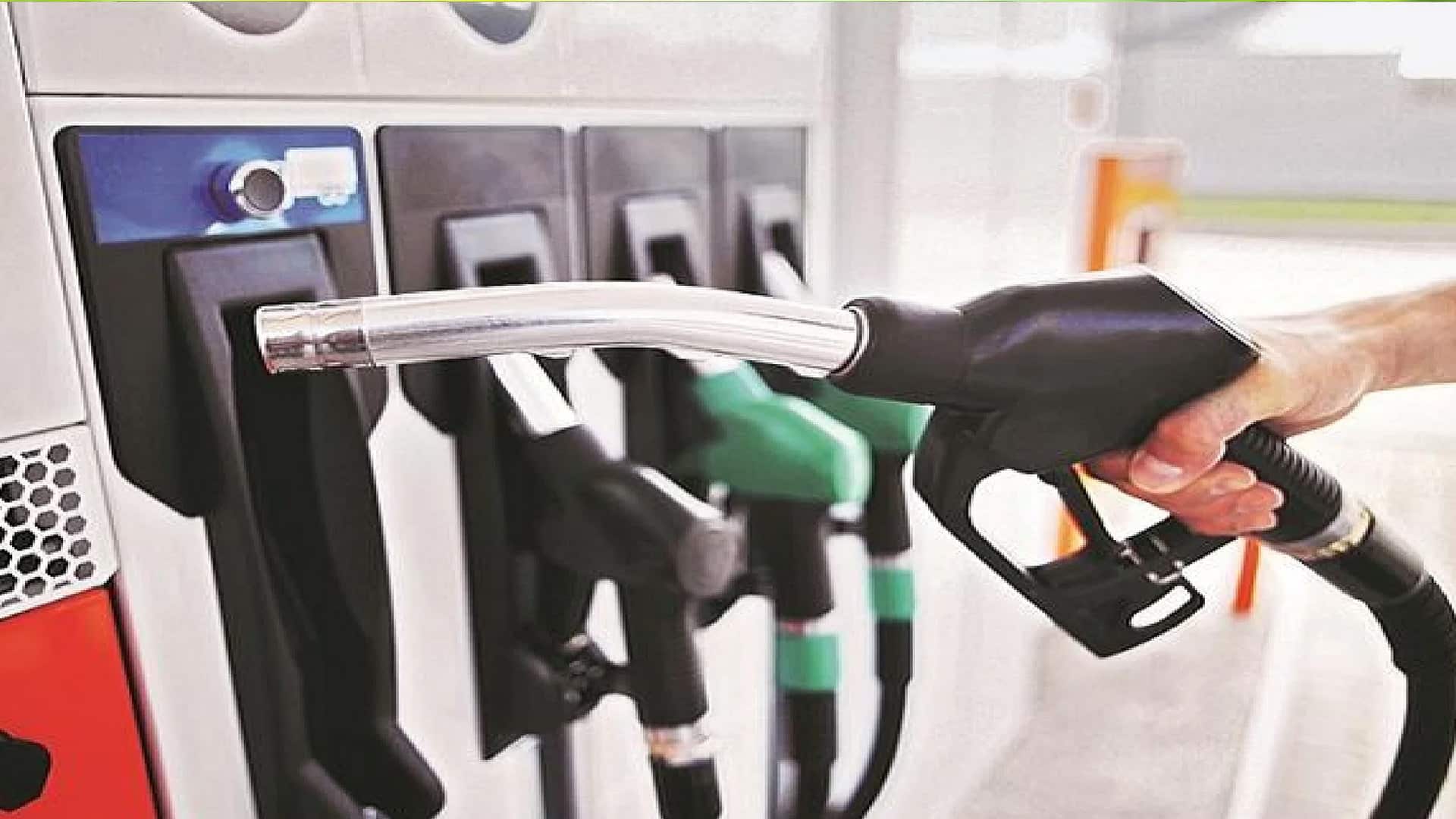
Reuters reported in October that rising oil prices and economic pressures were adding to the challenges facing the government, even as India continued to record strong economic growth.
For many voters, national economic statistics are only part of the picture. Their everyday experiences—finding stable employment, managing household budgets, and accessing essential services—also shape political preferences.
Political parties will need to demonstrate how their policies can generate jobs, support small businesses, improve public services, and distribute the benefits of economic growth more broadly.
What Lies Ahead for Indian Politics?
Several issues are likely to remain important in the coming months:
- Electoral reforms: Greater scrutiny of voter registration and electoral-roll revision procedures.
- Youth participation: Continued pressure for better education, employment, and government accountability.
- Political competition: Efforts by the BJP and opposition parties to strengthen their public support.
- Economic policy: Debates over inflation, job creation, investment, and household affordability.
- Democratic institutions: Questions concerning transparency, institutional independence, and citizens’ rights.
The way political leaders respond to these challenges could influence public trust and political competition ahead of the 2029 general election.
Conclusion: A Leadership Journey Driven by Purpose
Indian politics in 2026 reflects a complex combination of political competition, economic expectations, youth activism, and debates about democratic institutions. The controversy surrounding voter-list revisions has brought electoral transparency to the forefront, while economic concerns continue to influence public expectations.

